
At Rocksfordz Kids in A. S. Rao Nagar, screen-free learning does not stop when the child goes home. The Educational Toy Rental Library is one of the most powerful Rocksfordz ideas because it extends the centre’s gadget-free mission into the child’s home environment.
Screen-Free Learning Beyond School
Educational Toy Rental Library In A.S. Rao Nagar For Screen-Free Learning At Home

8:30 AM to 8:30 PM

1 : 6 Adult Child Ratio

No Screens. Just Smiles
Oops! Something went wrong while submitting the form.

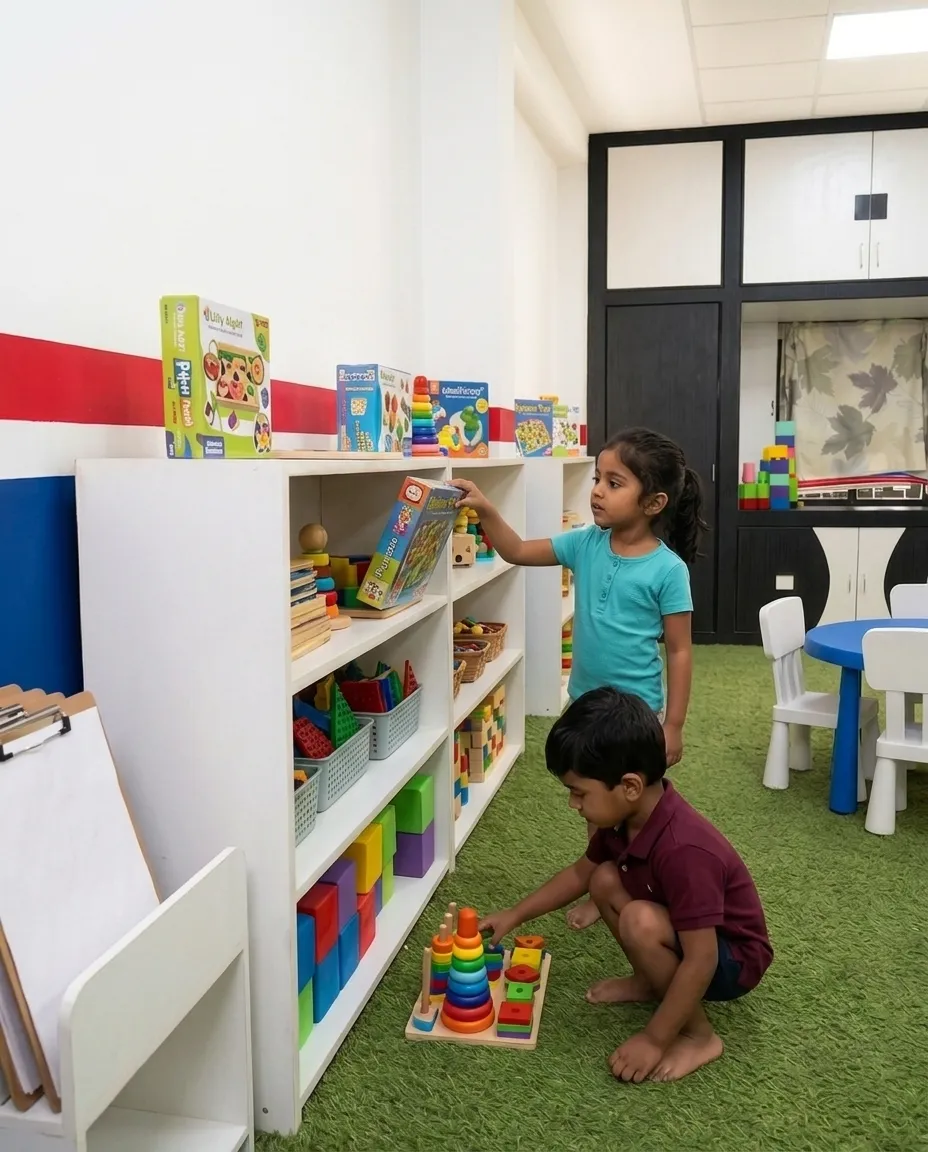
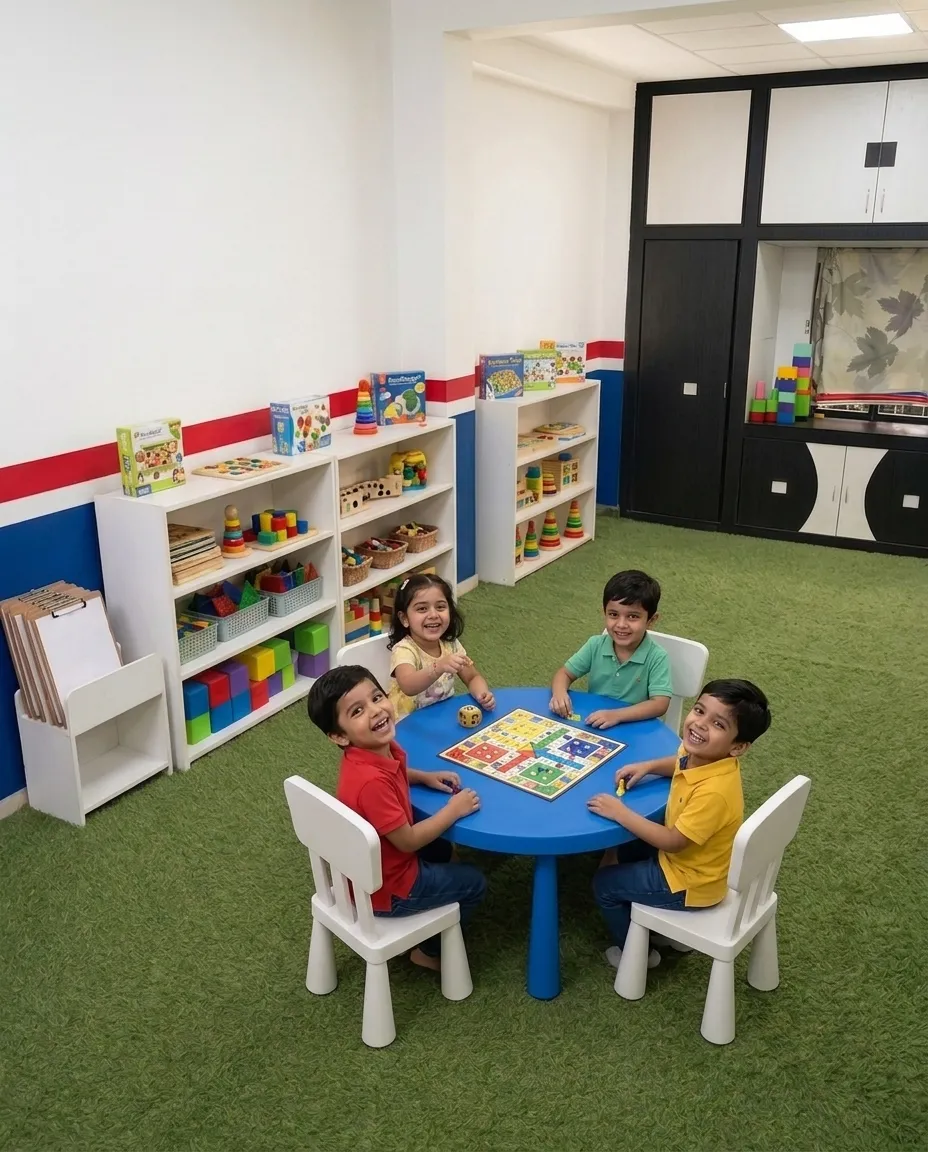
Children can borrow educational toys, play with them at home, return them, and repeat the cycle with new toys. This keeps curiosity alive without parents needing to constantly buy more toys or fall back on phones, cartoons, and tablets. The toys are not random. They are curated and recommended by teachers, academicians, and play specialists so children get toys that support real learning, not just entertainment.
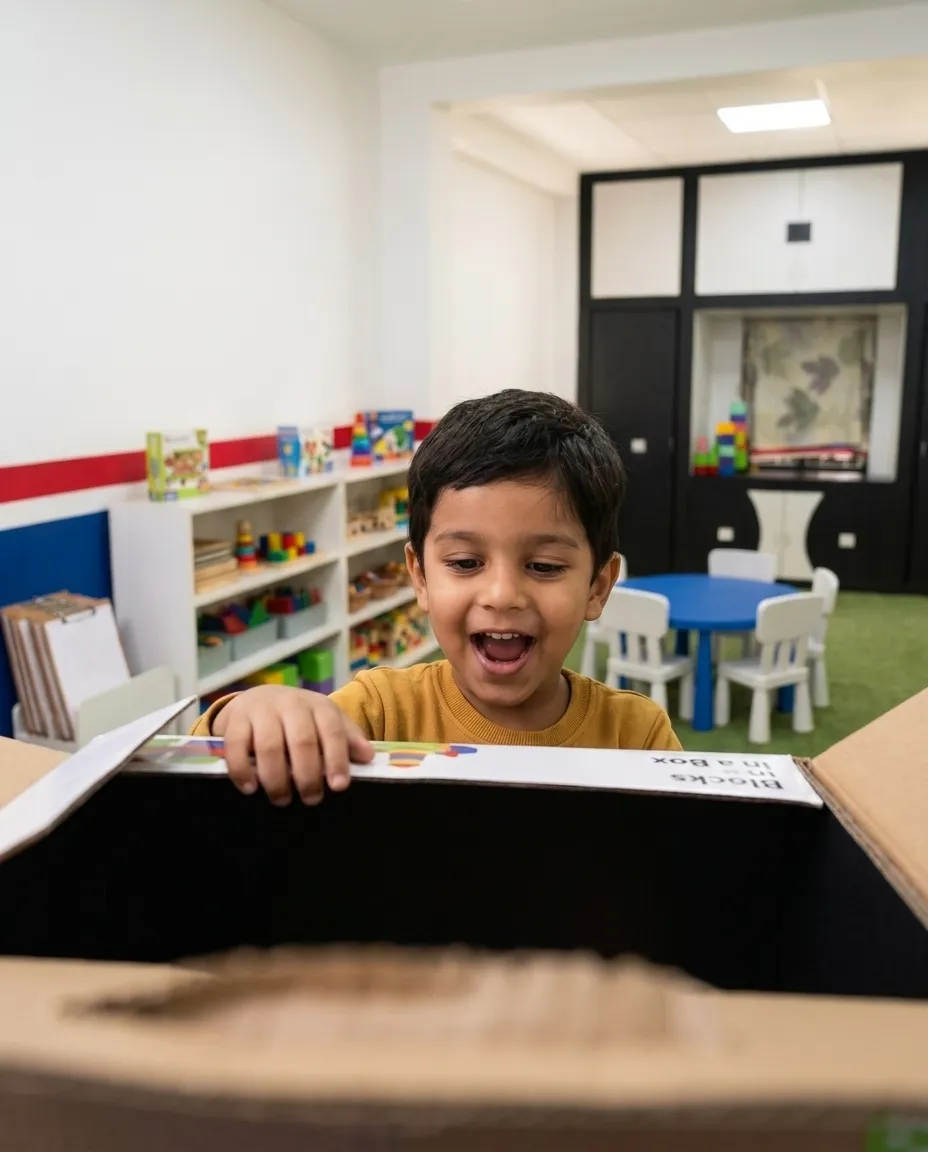
Why A Toy Rental Library Matters
Many parents want to reduce screen time at home, but they struggle with one big question: “What should my child do instead?” The Educational Toy Rental Library answers that question practically.
Instead of giving generic advice like “reduce screen time,” Rocksfordz gives families a real replacement: educational toys that children can borrow, use, return, and exchange. This creates a healthy rhythm of discovery. A child gets a toy, explores it, learns from it, enjoys it, returns it, and receives something new.
This makes the toy library a beacon for reducing screen time even at home.
The strength of the Educational Toy Rental Library is curation. Not every toy is equally useful. Some toys only entertain briefly. Some overstimulate. Some are too advanced. Some are too simple. Some do not match the child’s developmental stage.
At Rocksfordz, toy recommendations can be guided by teachers, academicians, and play specialists who understand how children learn. This gives parents confidence that the toys going home are not clutter. They are learning tools chosen with purpose.
How Children Use The Educational Toy Rental Library
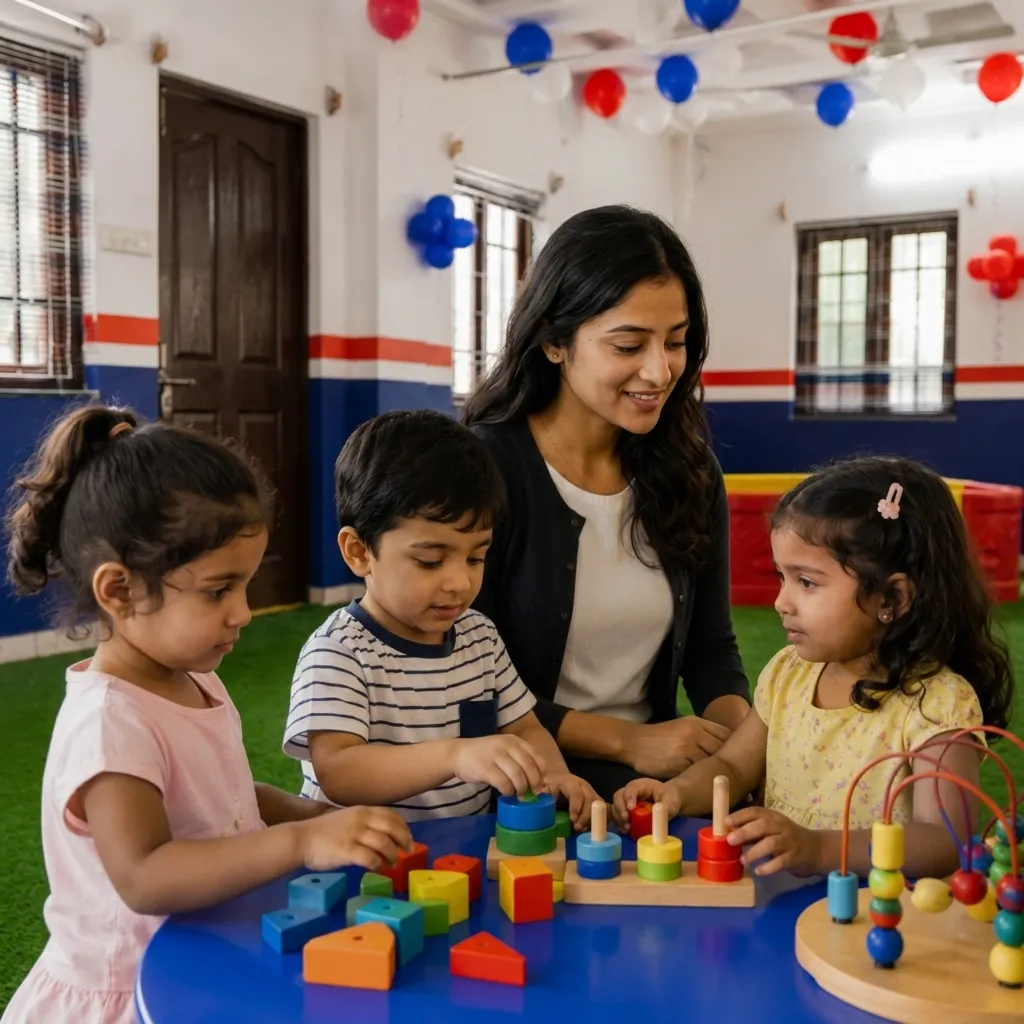
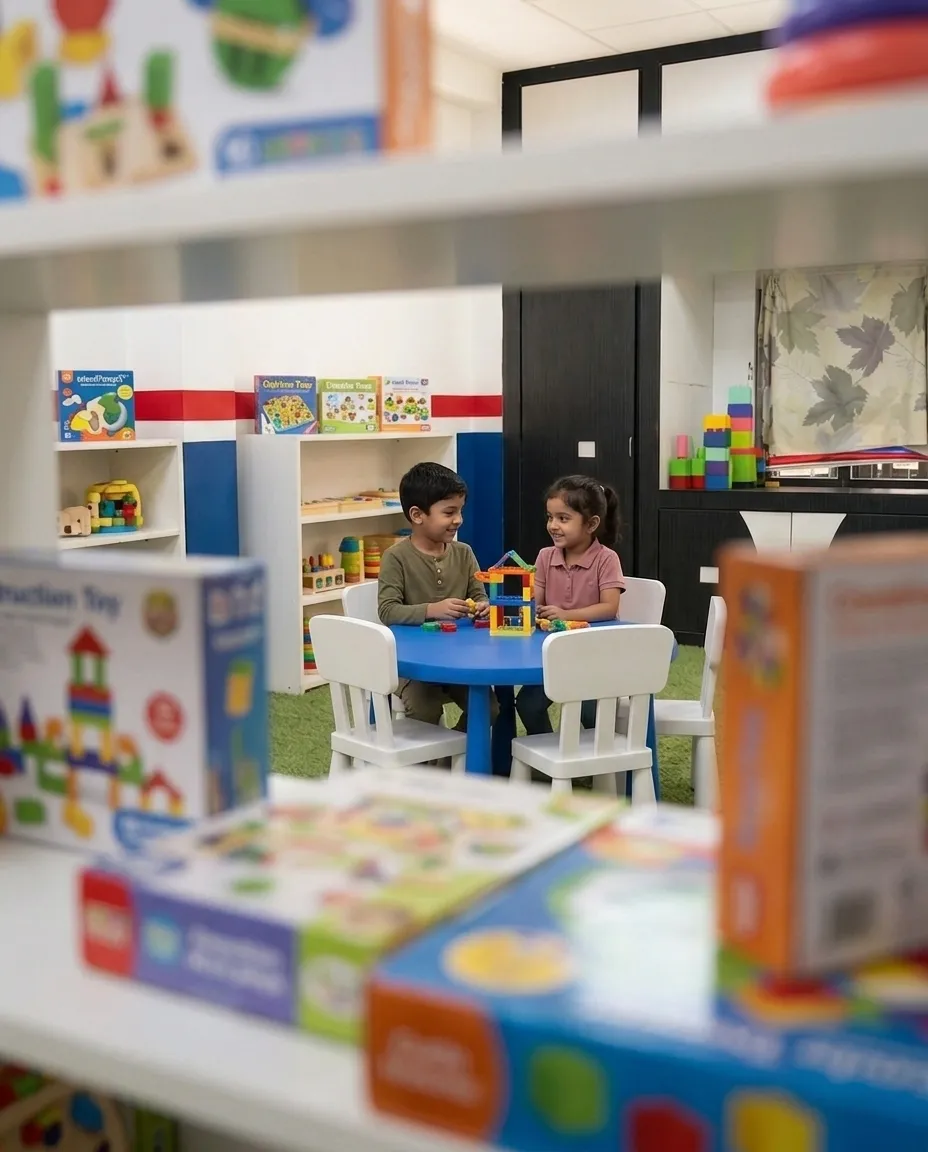
Children use the Educational Toy Rental Library through a simple borrow-play-return-repeat model. A Playgroup child may borrow stacking toys, shape sorters, pretend-play objects, sensory toys, or matching toys. A Nursery child may borrow puzzles, story-based toys, colour sorting games, memory games, and early logic toys. A Kindergarten child may borrow construction toys, sequencing toys, number games, phonics toys, board games, or problem-solving kits.
For after-school children, the library can include STEM toys, strategy games, conceptual toys, construction sets, reading-linked toys, and activities that reduce gadget time after school.
The goal is not to overload the home with toys. The goal is to create rotation, excitement, and purposeful play.
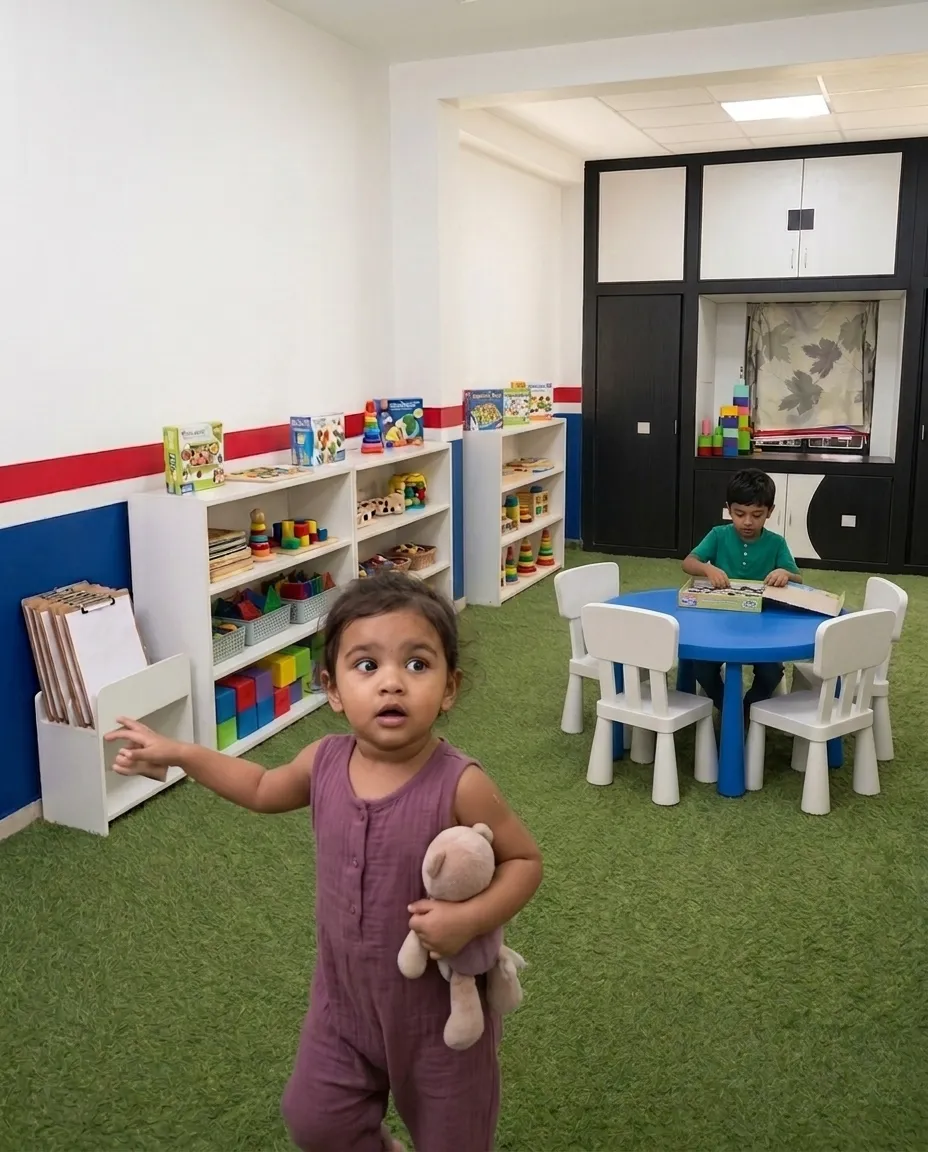
What Children Learn Through Toy Borrowing
Screen-free focus:
Children learn to stay engaged with real toys, hands-on discovery, and imaginative play instead of screens.
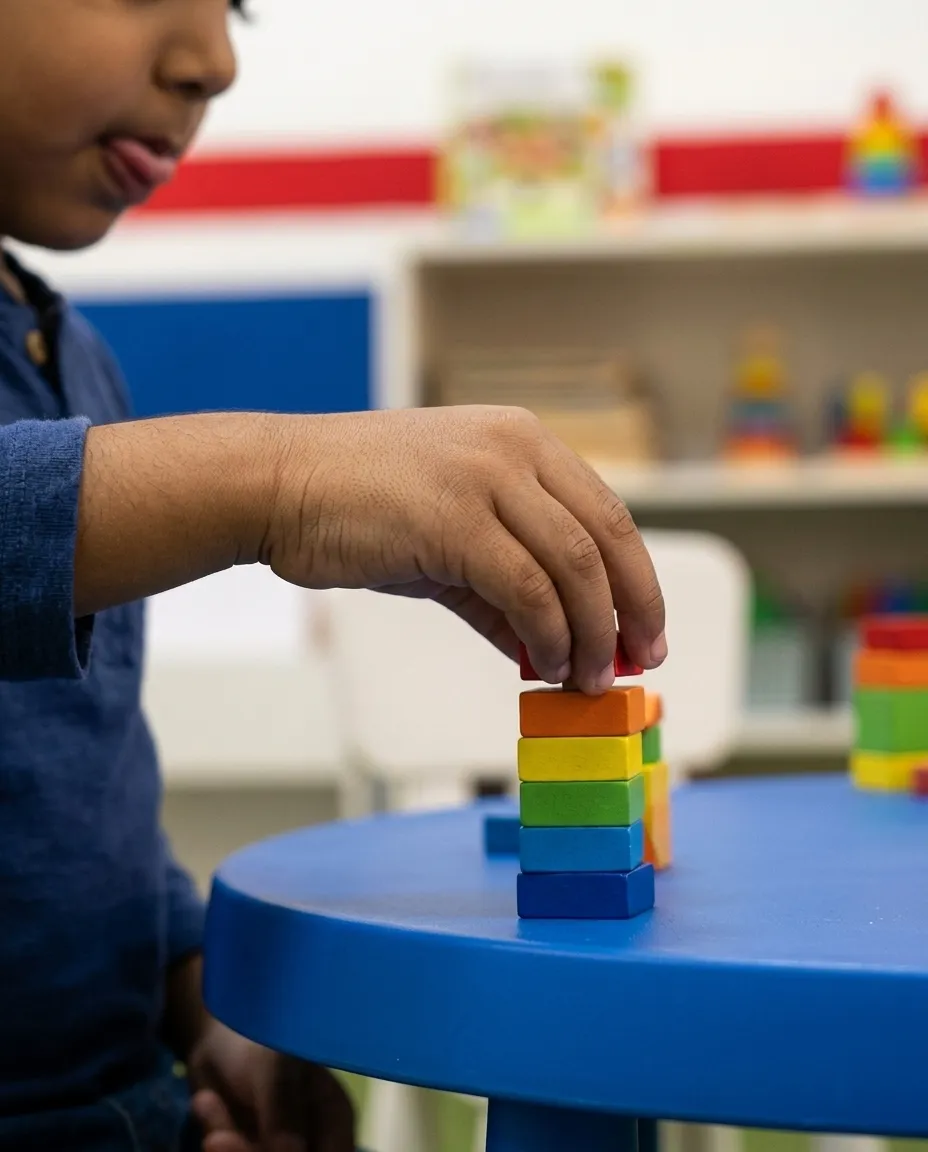
Fine motor skills:
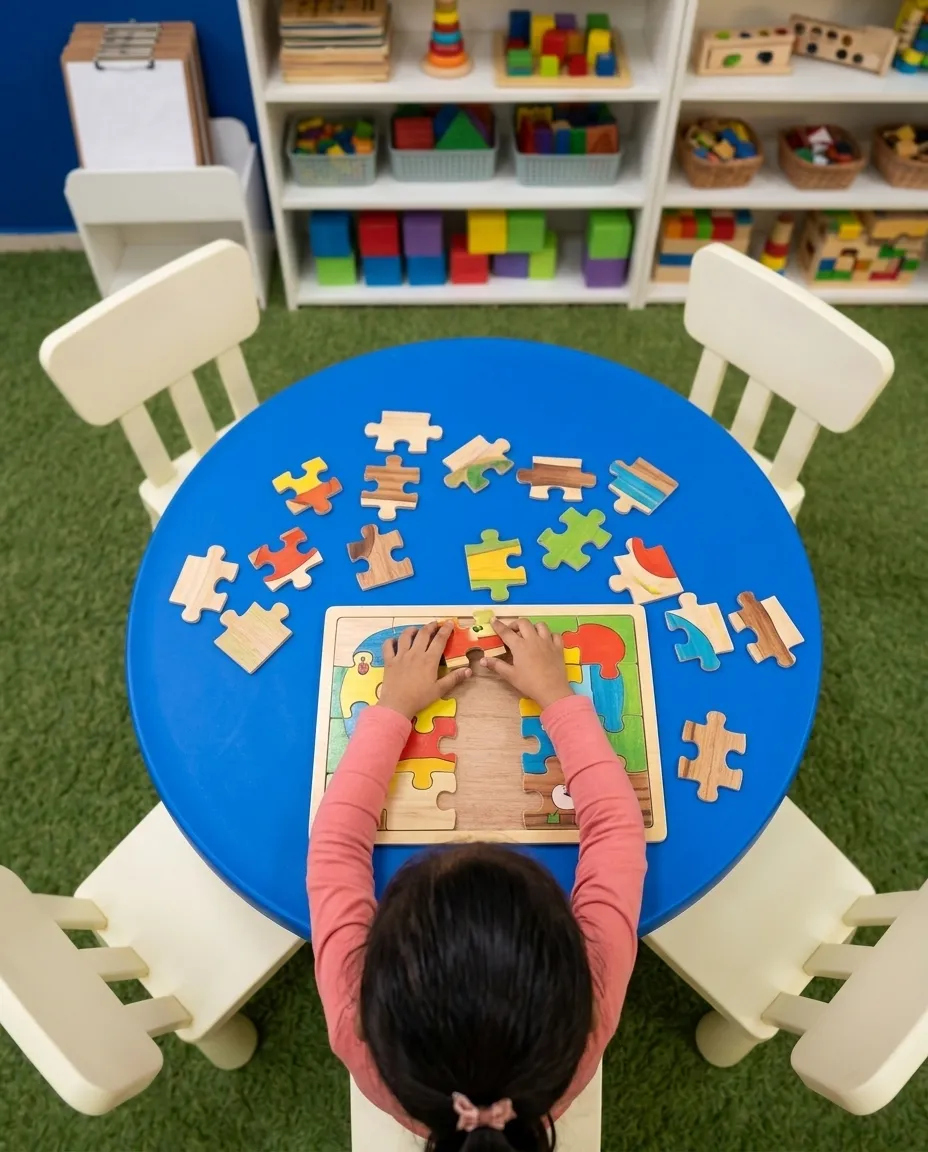
Puzzles, stacking toys, sorting games, and construction toys strengthen fingers, grip, control, and hand-eye coordination.
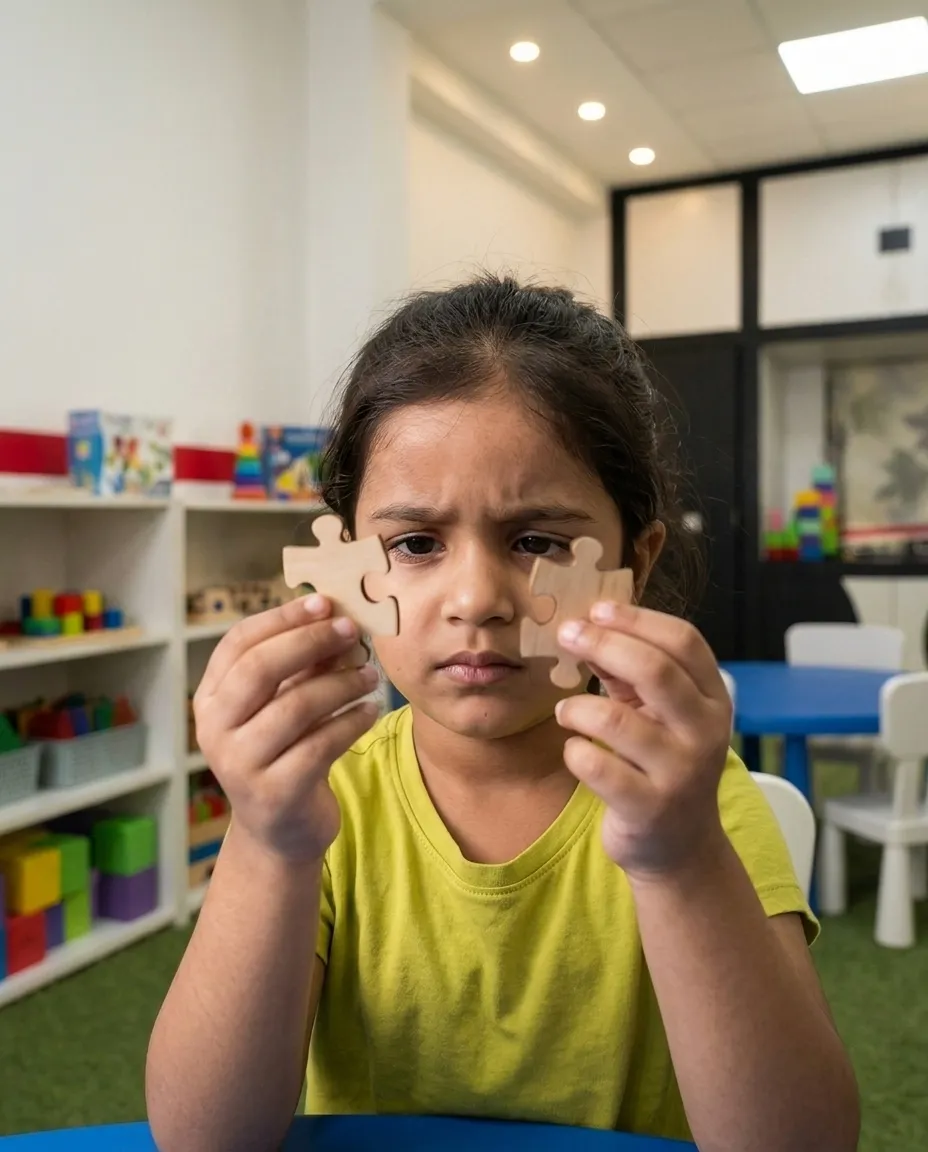
Problem-solving:
Educational toys help children test, try again, match, build, sequence, compare, and complete challenges.
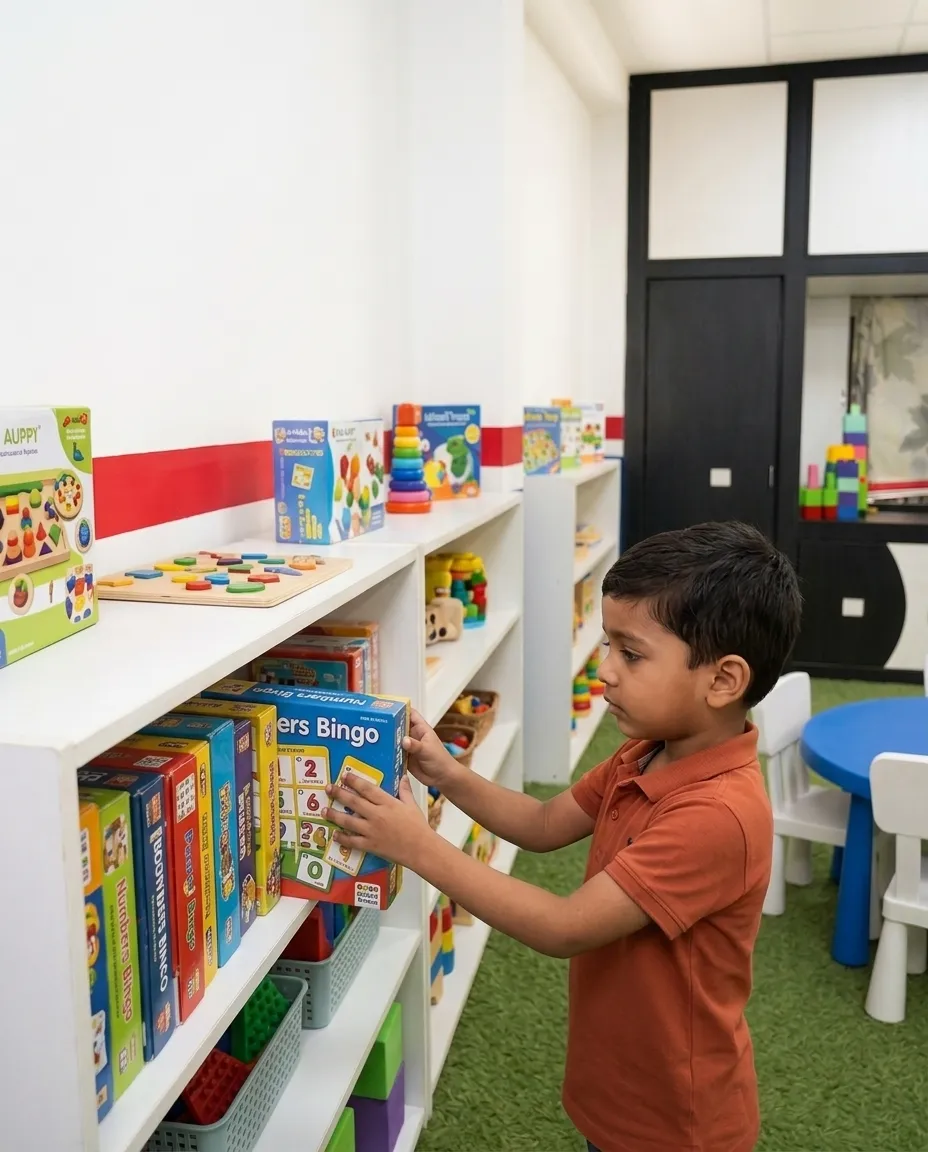
Responsibility:
Borrowing and returning toys teaches children care, accountability, order, and respect for shared resources.

Independent play:
Children learn to explore, create, imagine, and remain productively engaged without constant digital entertainment.
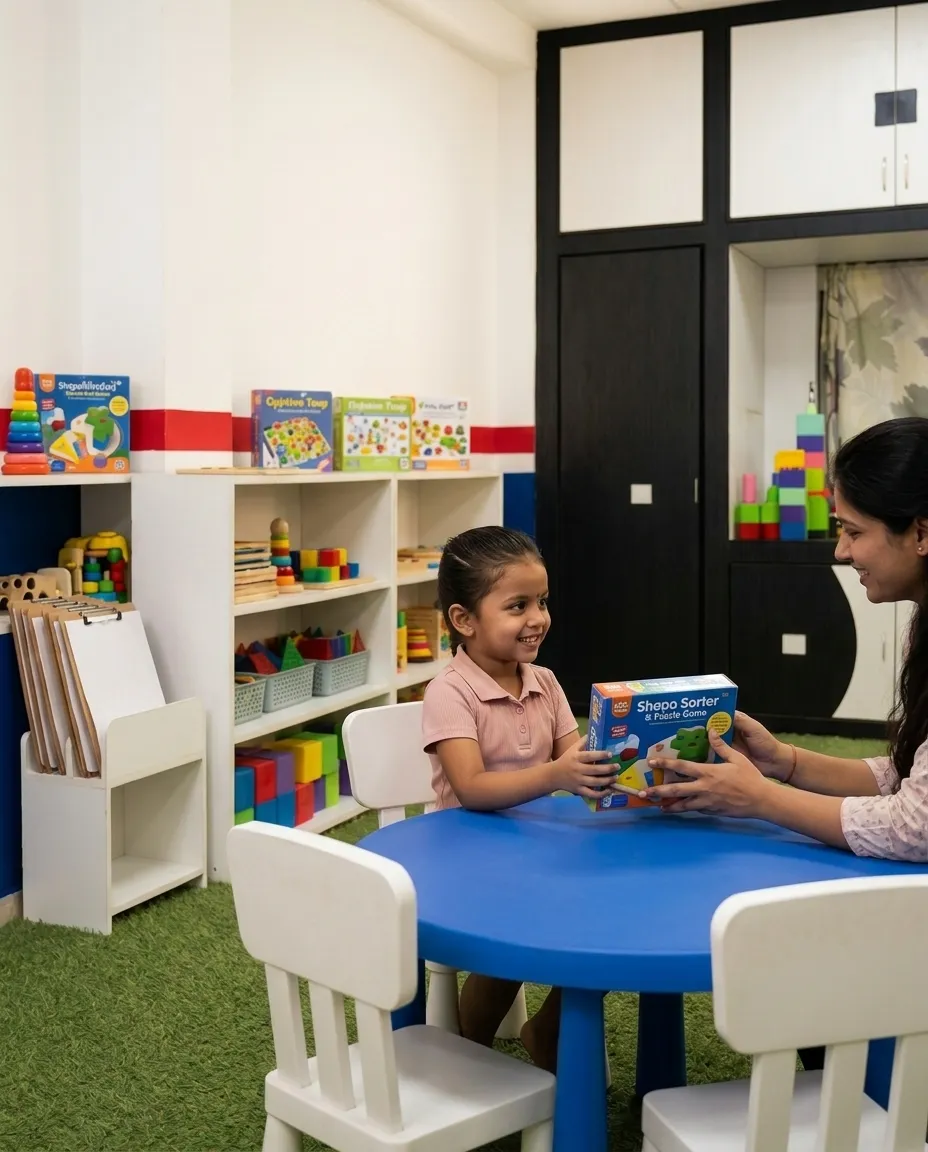
Family bonding:
Parents can play with children at home, turning toy time into meaningful connection instead of screen-fed distraction.
Connected Programs At Rocksfordz
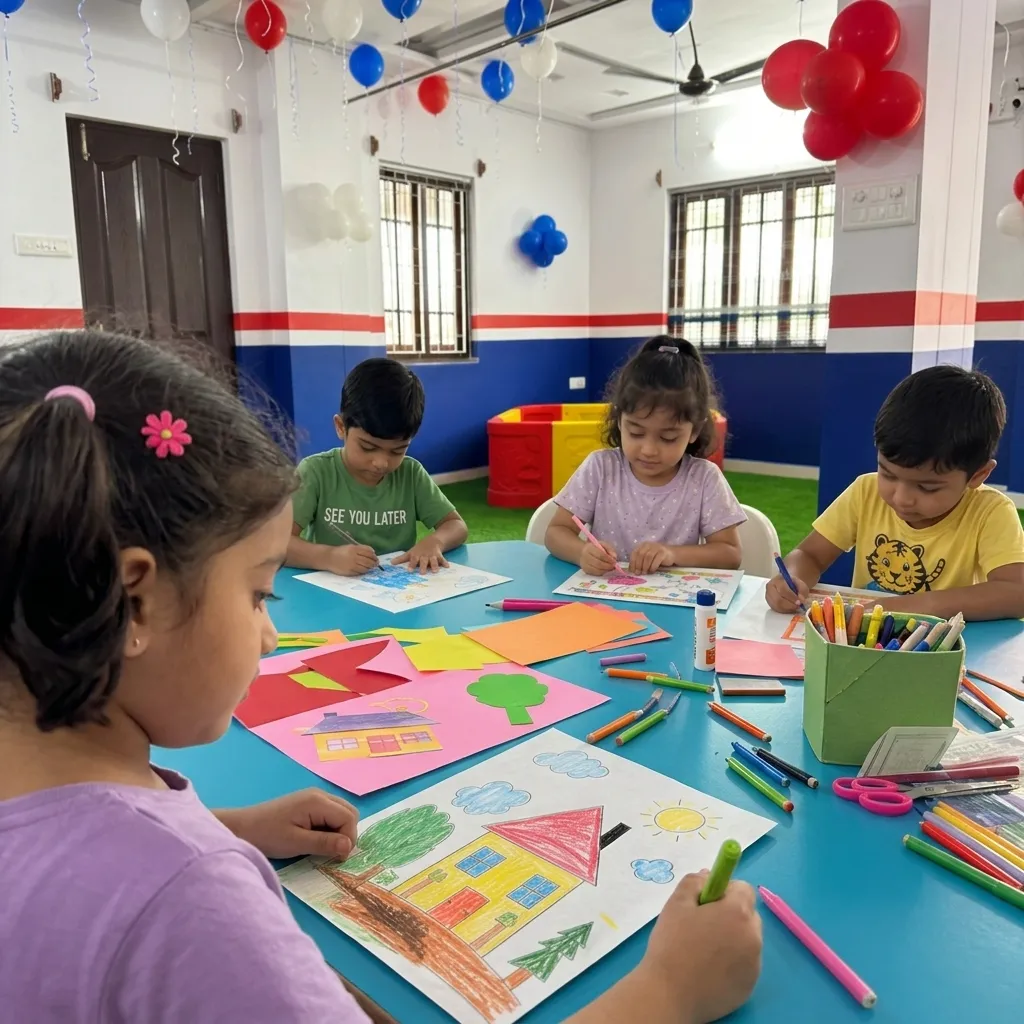
Preschool
For preschool children, the gardening zone makes learning active and joyful. It supports early science, language, patience, responsibility, and nature connection.
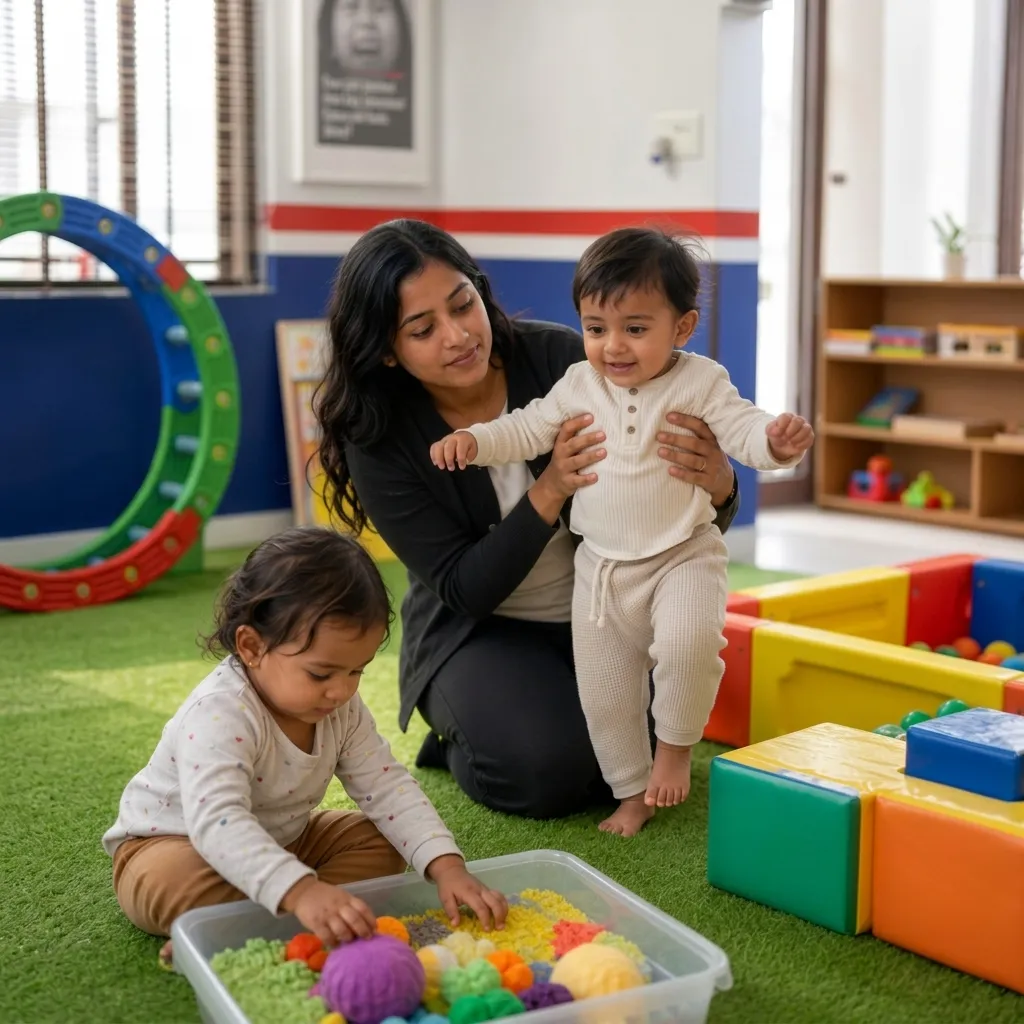
Daycare
For daycare children, gardening becomes a calming, meaningful part of the day. It gives them fresh air, sensory input, movement, and peaceful engagement.
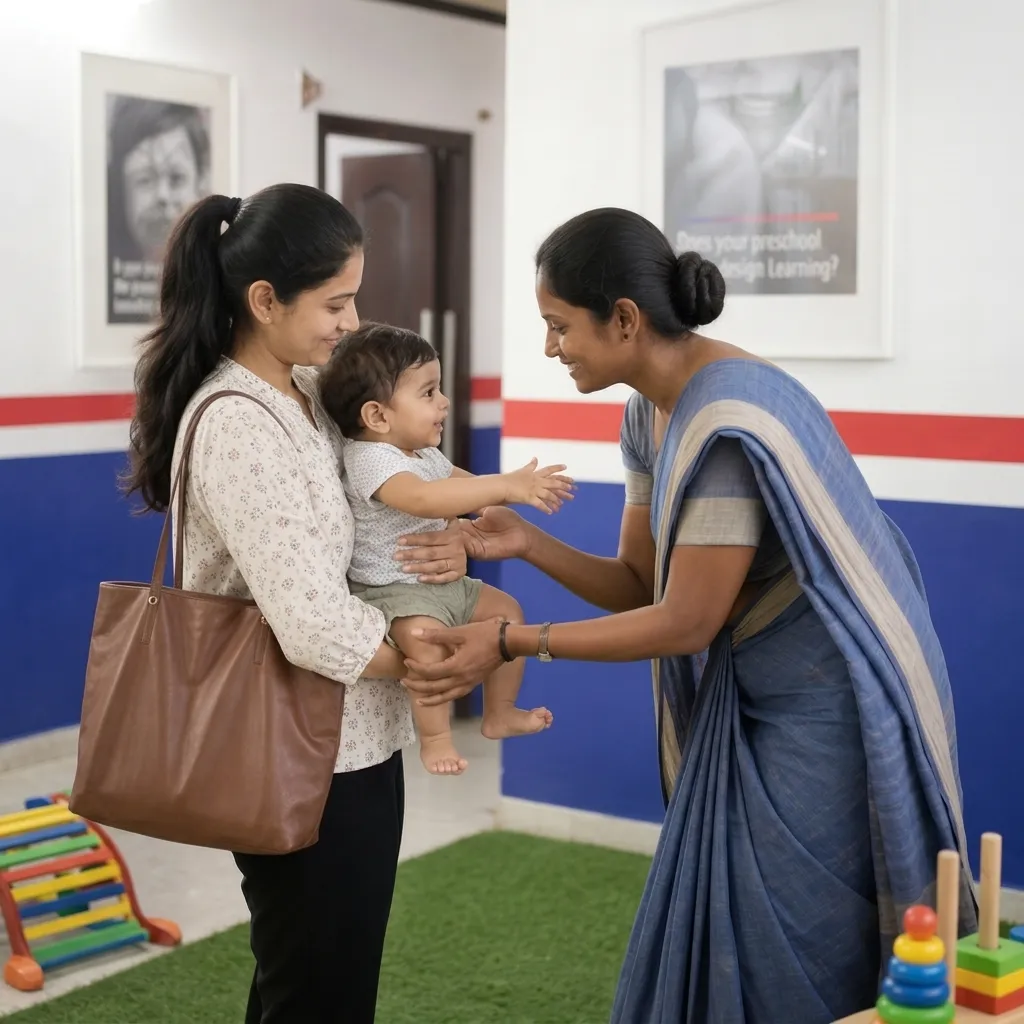
Daycare For Babies
For babies and toddlers, this zone can be introduced gently through supervised sensory exposure: touching leaves, seeing plants, hearing nature words, and observing colours.
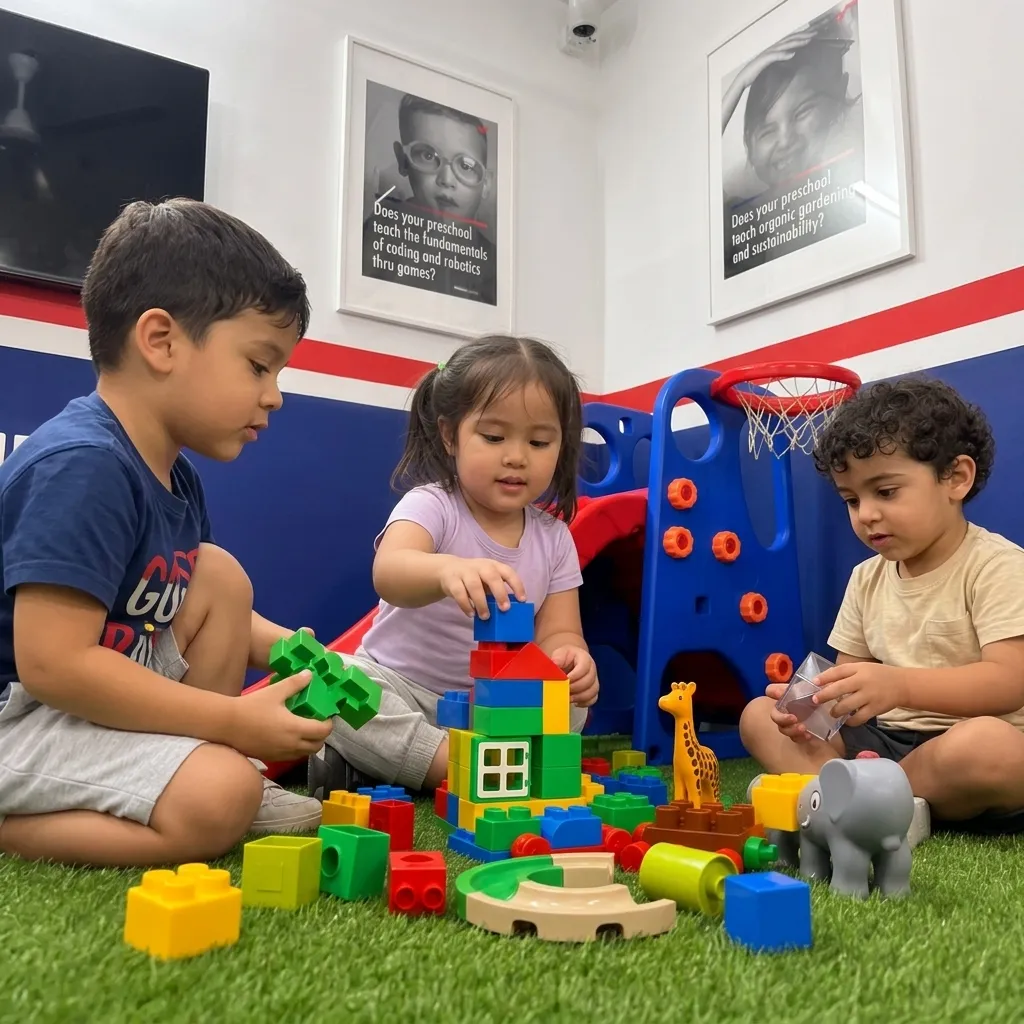
Playgroup
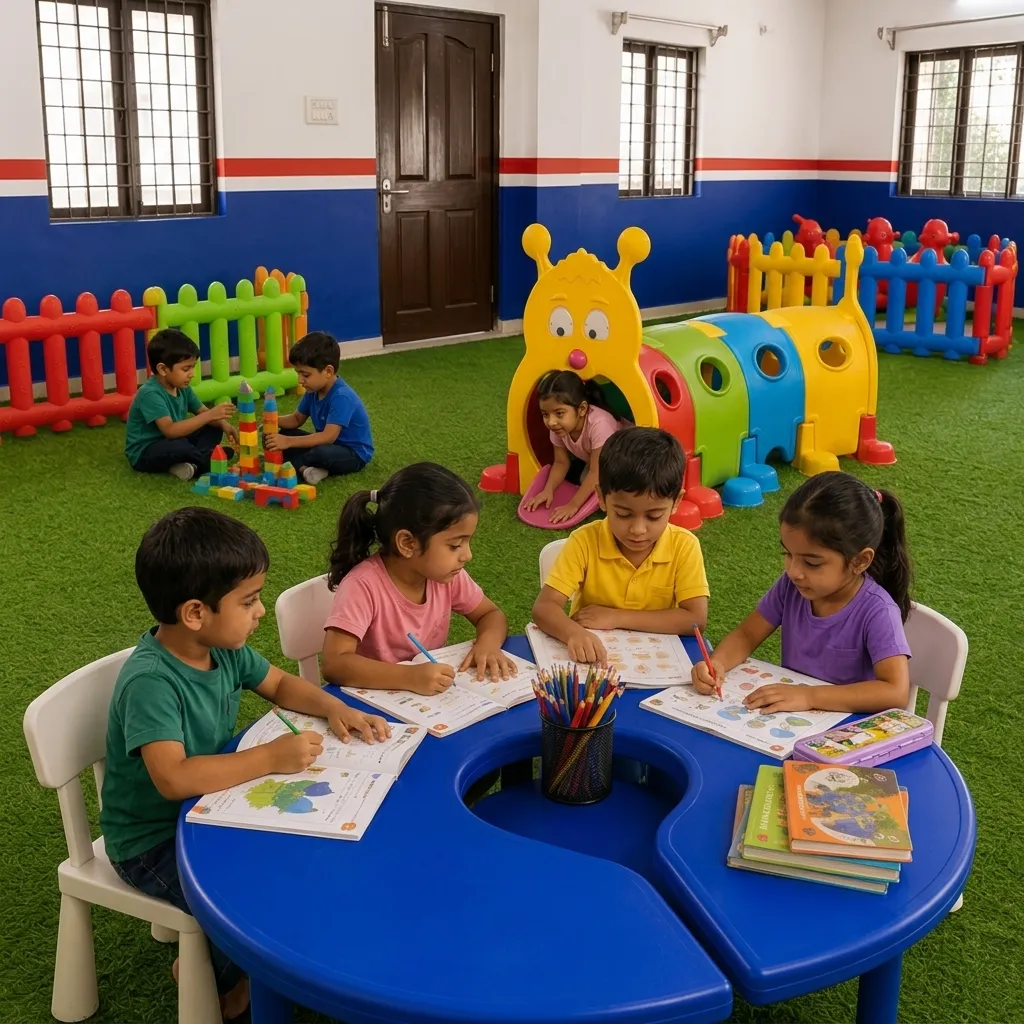
For 2 to 3 year olds, gardening builds first-school comfort. Children touch, pour, name, observe, and participate without academic pressure.
Nursery
For 3 to 4 year olds, gardening builds routine, vocabulary, patience, responsibility, and early environmental awareness.
Kindergarten
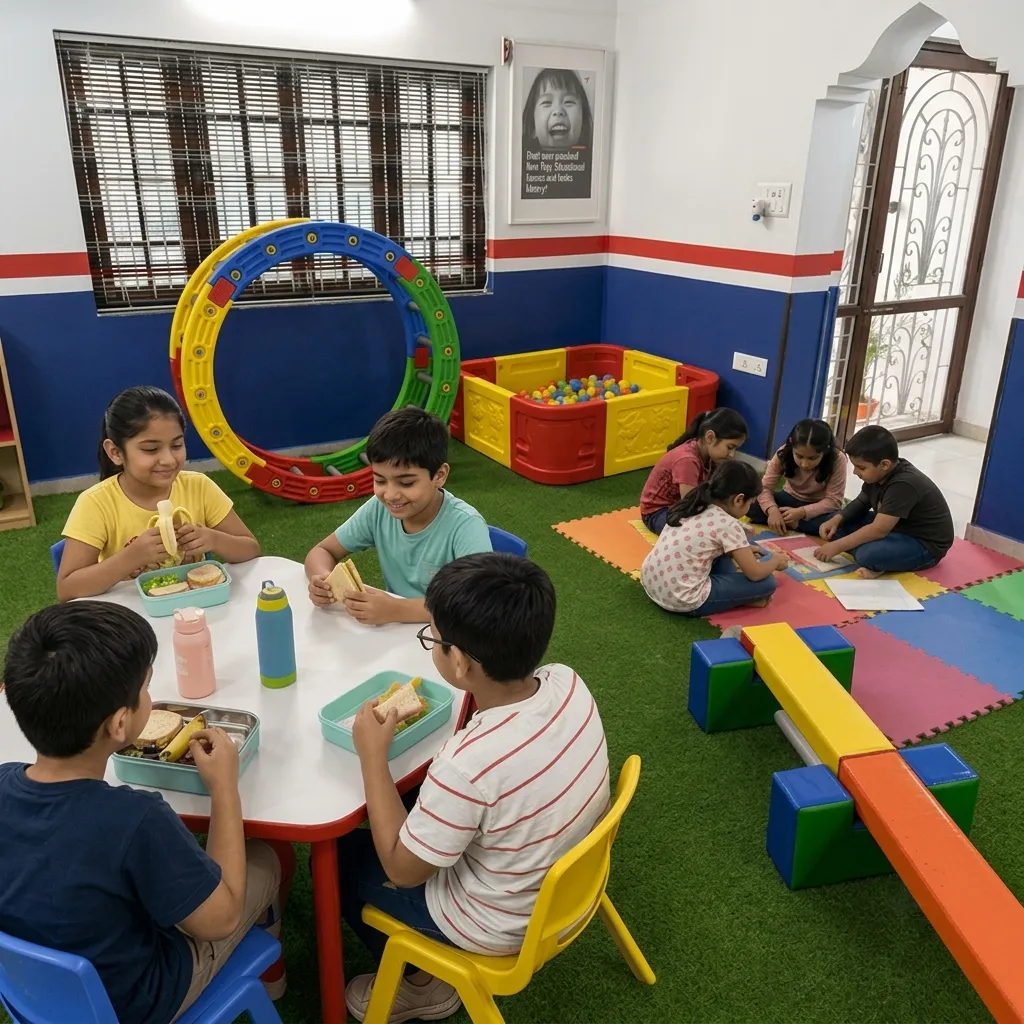
For 4 to 5 year olds, gardening supports sequencing, observation, early science, storytelling, responsibility, and school-readiness confidence.
After School
For older children, the gardening zone can support nature journaling, responsibility projects, observation, sustainability conversations, and screen-free decompression after school.
Why Parents In A. S. Rao Nagar Value This Zone
Parents are often told to reduce screen time, but they are not always given workable alternatives. The Educational Toy Rental Library makes screen-free parenting easier. It gives parents new, age-appropriate, teacher-recommended play options without the pressure of buying everything.
It also solves another problem: children get bored of toys quickly. A rental library keeps the toy experience fresh. Children look forward to borrowing, using, returning, and discovering something new. At the same time, they learn responsibility because the toy must be cared for and returned.
This is one of the strongest Rocksfordz differentiators because it connects centre learning with home learning. The gadget-free mission does not end at the school gate.
Areas We Serve Near A. S. Rao Nagar
Rocksfordz Kids is located in A. S. Rao Nagar, Secunderabad, and serves parents looking for preschool, daycare, baby daycare, playgroup, nursery, kindergarten, and after-school learning near:
A. S. Rao Nagar | 500062
Jai Jawan Colony | 500062
Kamala Nagar / ECIL Area | 500062
ECIL | 500062
Kapra | 500062
Kushaiguda | 500062
Sainikpuri | 500094
Neredmet | 500056
Yapral | 500087
Radhika / ECIL Area | 500062
Social Proof:
Rocksfordz is one of the most visible preschool and childcare communities in the A. S. Rao Nagar area, with brand-provided proof of:
5,000+
Instagram followers
34,000+
Facebook followers
125+
Google reviews
Ask About The Educational Toy Rental Library At Rocksfordz Kids
Help your child continue screen-free learning at home with teacher-curated educational toys they can borrow, enjoy, return, and repeat.
Frequently Asked Questions
Find clear answers about our unique learning zone and approach.
What is the Educational Toy Rental Library at Rocksfordz Kids?
It is a toy borrowing program where children can take educational toys home, play with them, return them, and borrow new ones.
How does this help reduce screen time at home?
It gives children a practical alternative to phones, tablets, cartoons, and television through fresh, hands-on, educational play.
Who curates the toys?
The toys are curated and recommended by Rocksfordz teachers, academicians, and play specialists based on learning value and age suitability.
Do children have to return the toys?
Yes. Children borrow toys, use them at home, return them, and repeat the cycle with different toys.
What kind of toys can children borrow?
Children may borrow puzzles, stacking toys, sorting games, pretend-play toys, construction toys, STEM toys, logic toys, and board games.
Is this useful for Playgroup children?
Yes. Playgroup children can borrow age-appropriate toys for matching, stacking, naming, pretend play, and fine motor development.
How does this help Nursery and Kindergarten children?
It supports puzzles, phonics, number sense, sequencing, construction, logic, creativity, responsibility, and school readiness.