Where Toys Teach More

Toy Room In A.S. Rao Nagar For Educational, Screen-Free Play

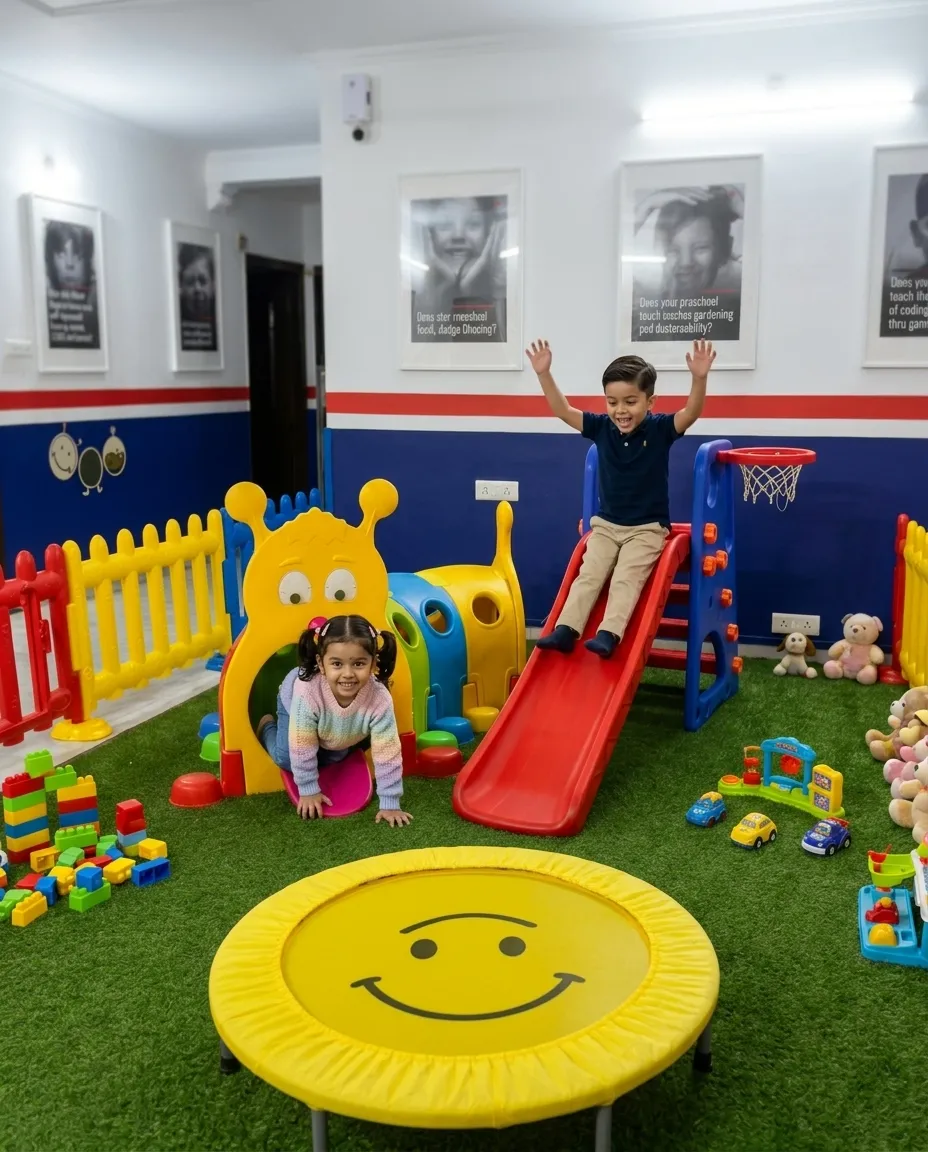
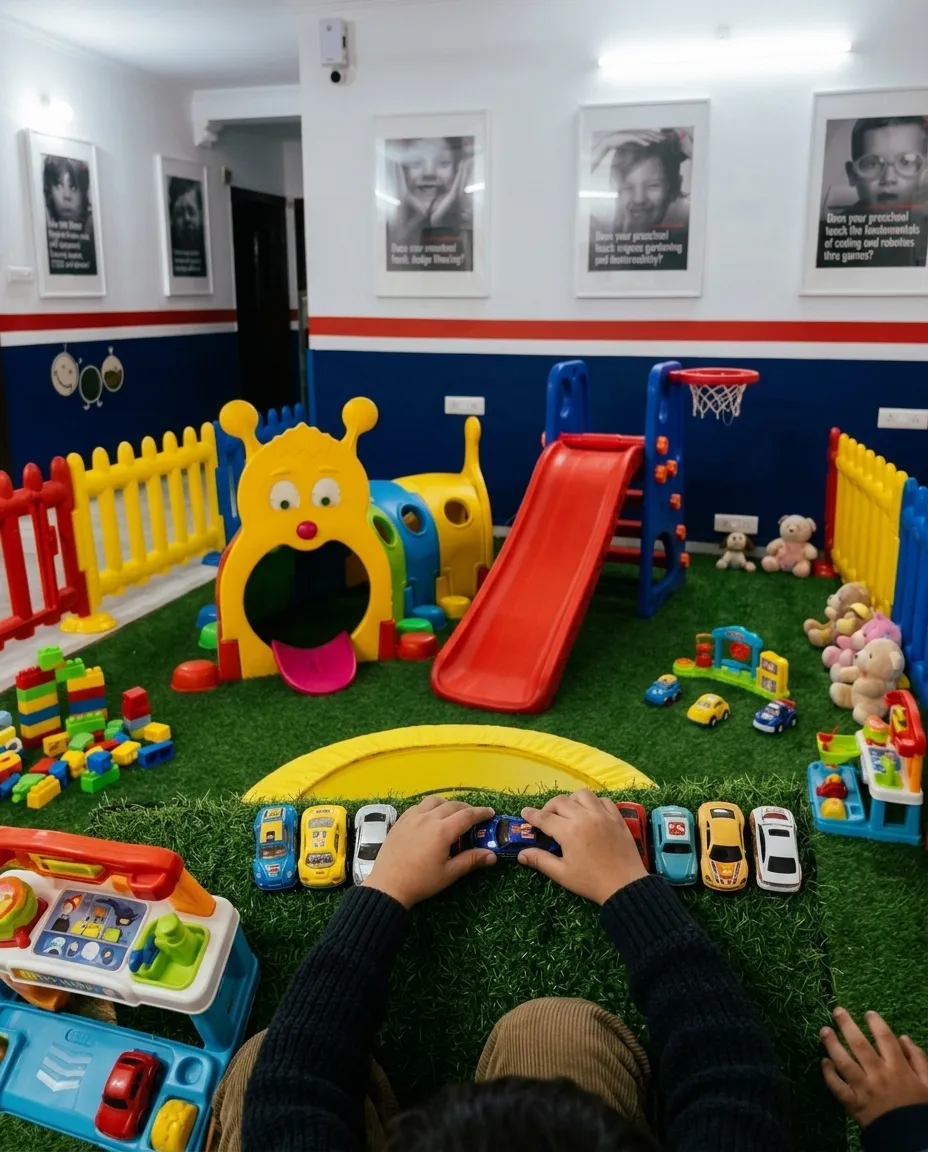
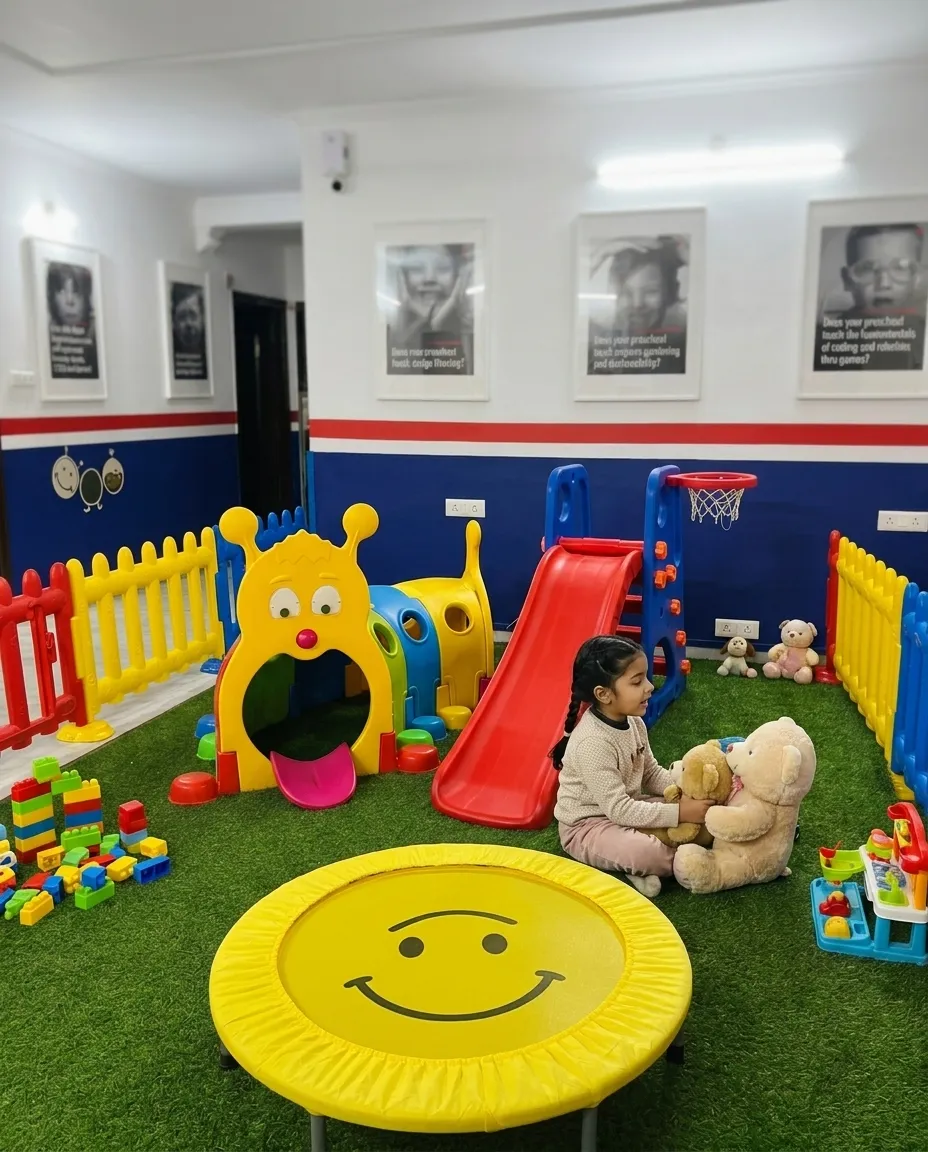
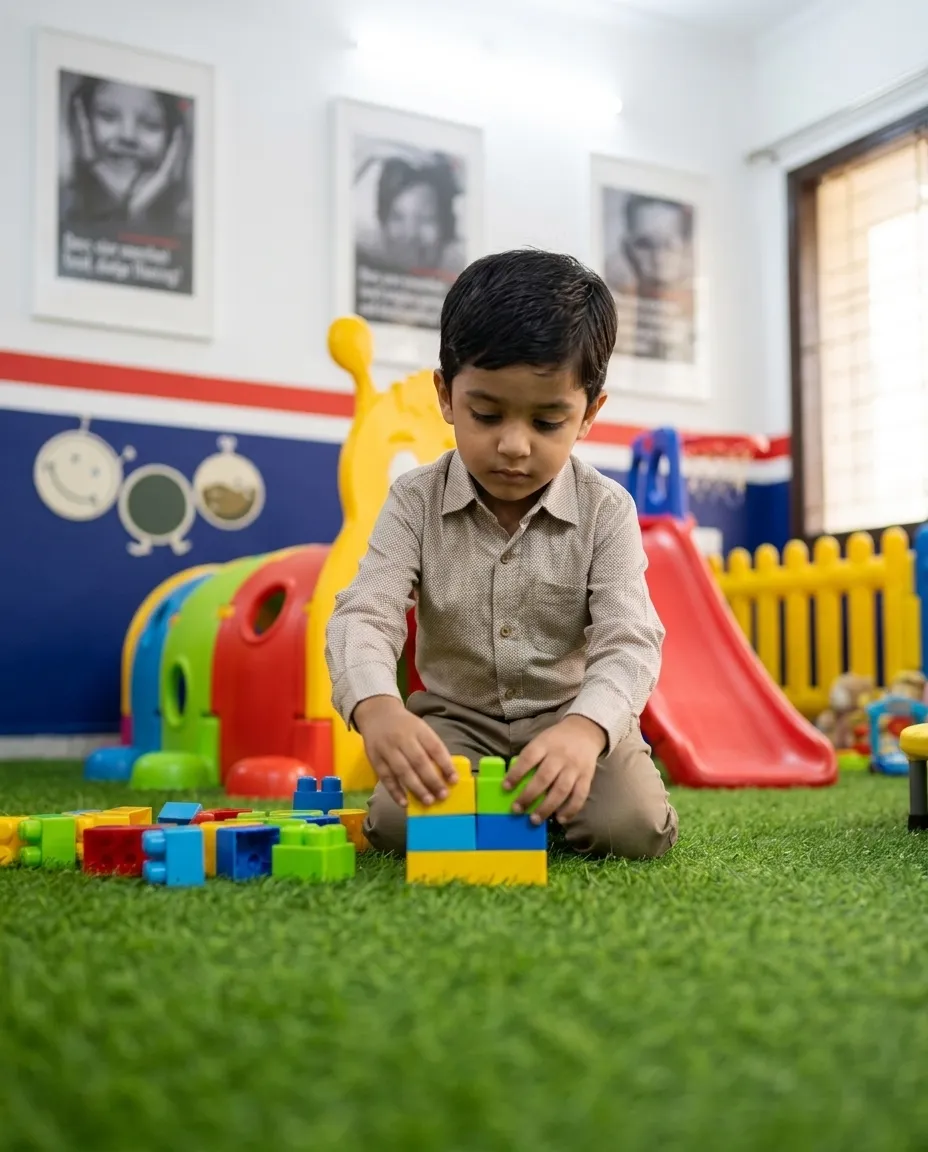
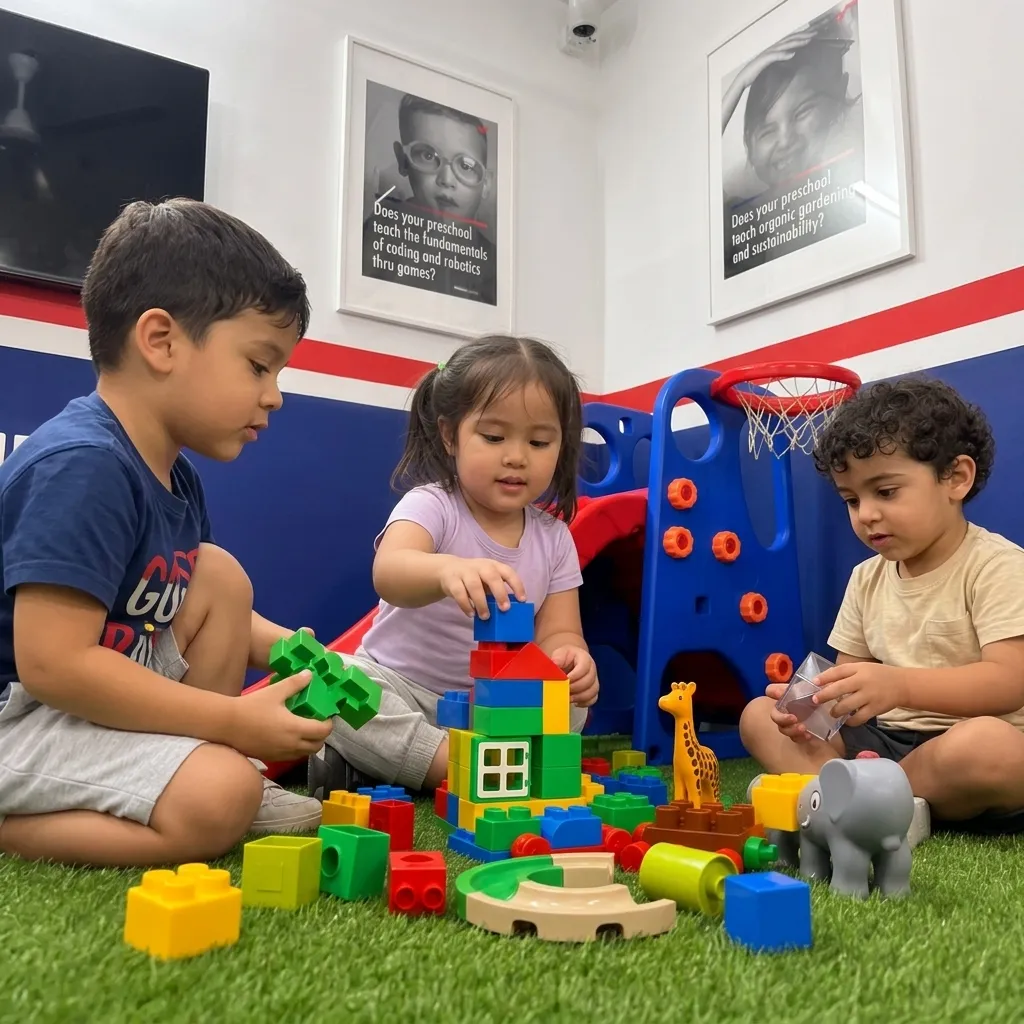
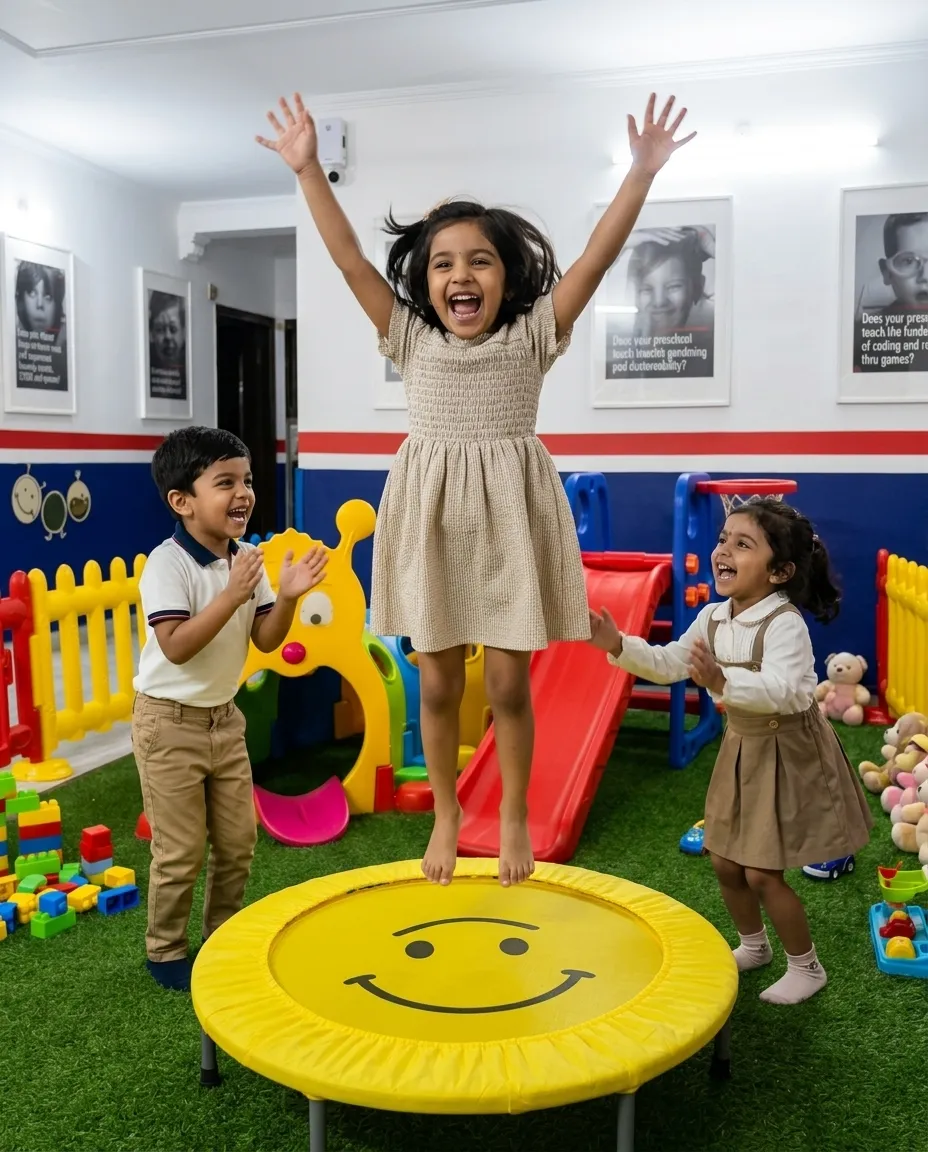
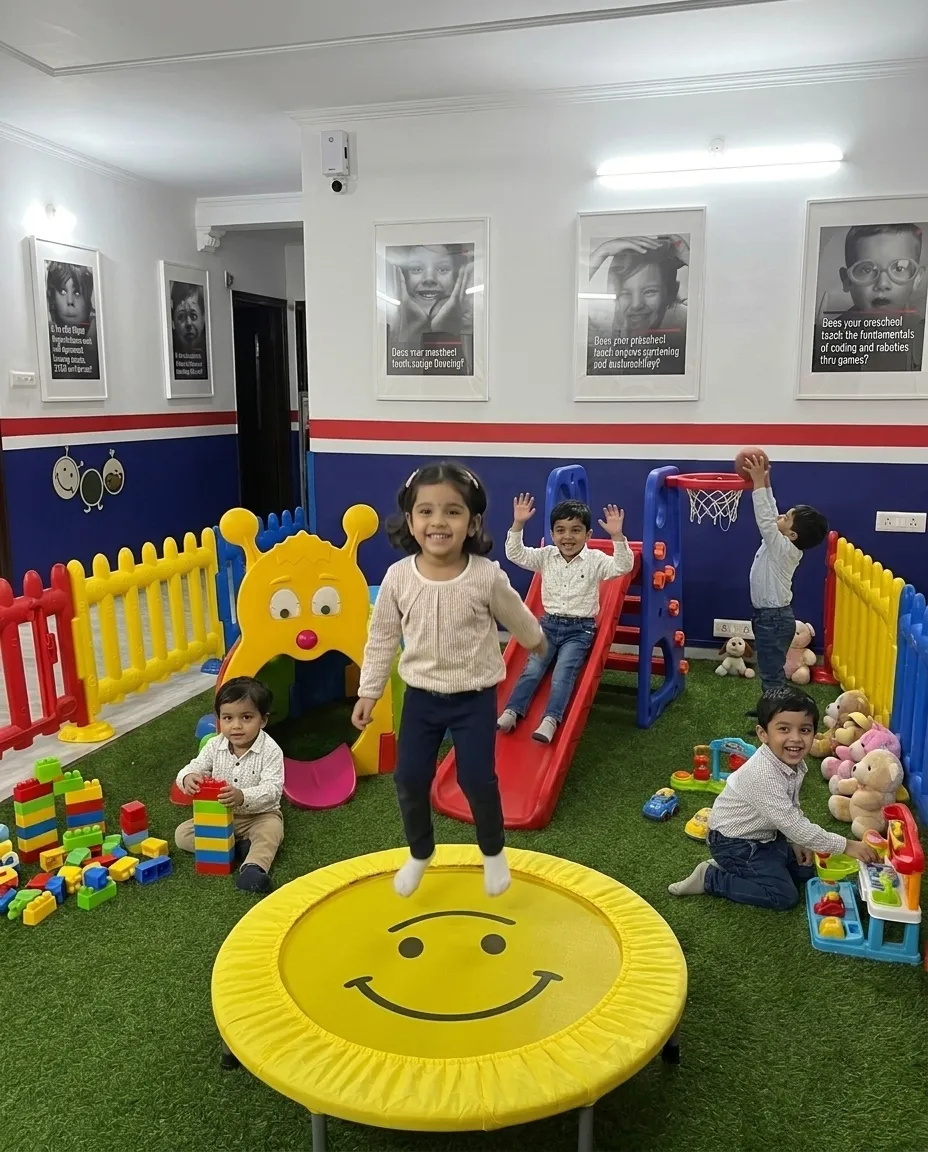
At Rocksfordz Kids in A. S. Rao Nagar, the Toy Room feels like a child’s own Alice in Wonderland — colourful, exciting, imaginative, and full of discovery. But it is not just a room full of toys. It is a carefully guided play zone where children learn the art of playing with educational toys, choosing toys, using them meaningfully, sharing them, and keeping them away after play.

‍

‍

‍

Agility 1
8:30 AM to 8:30 PM
Agility 1
1 : 6 Adult Child Ratio
Agility 1
No Screens. Just Smiles
Enquire / Book a Free Trial
By clicking, you're confirming that you agree with our Terms and Conditions.
Thank you! Your submission has been received!
Oops! Something went wrong while submitting the form.
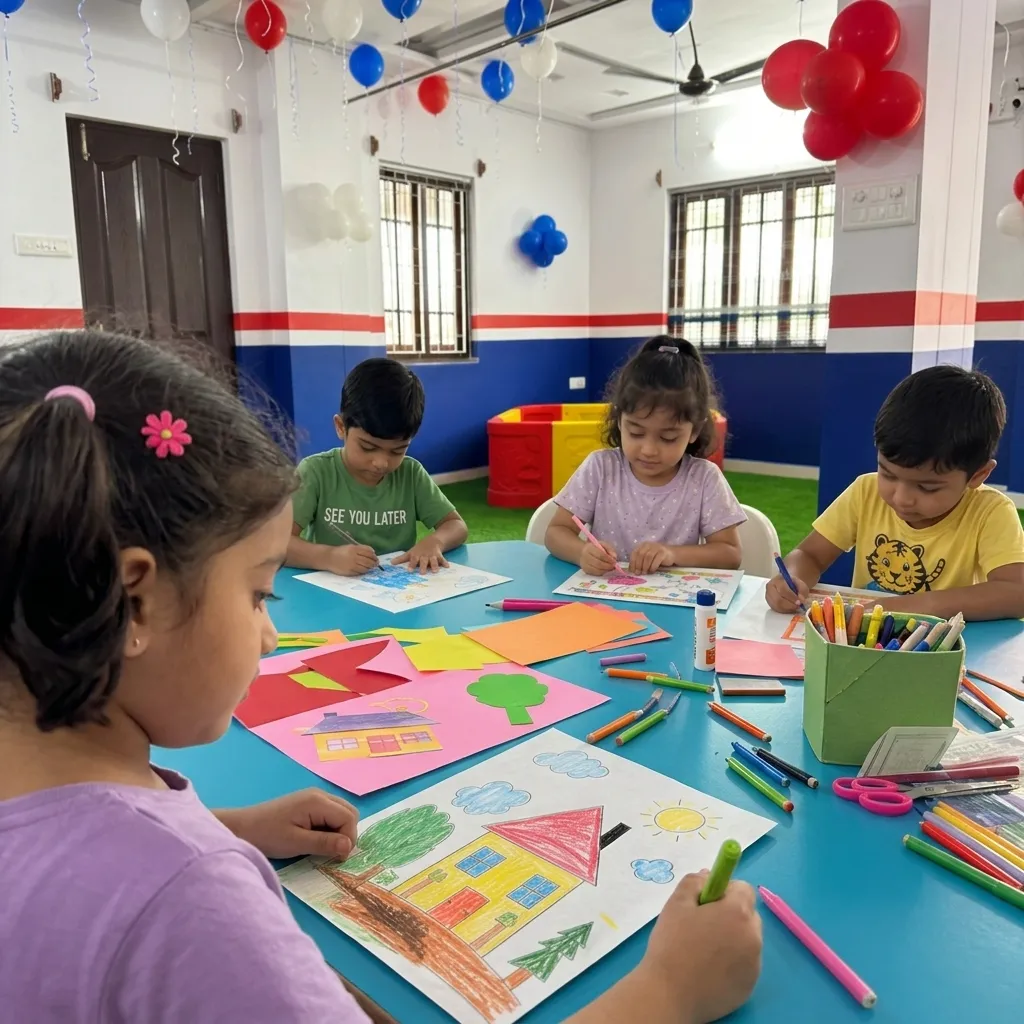
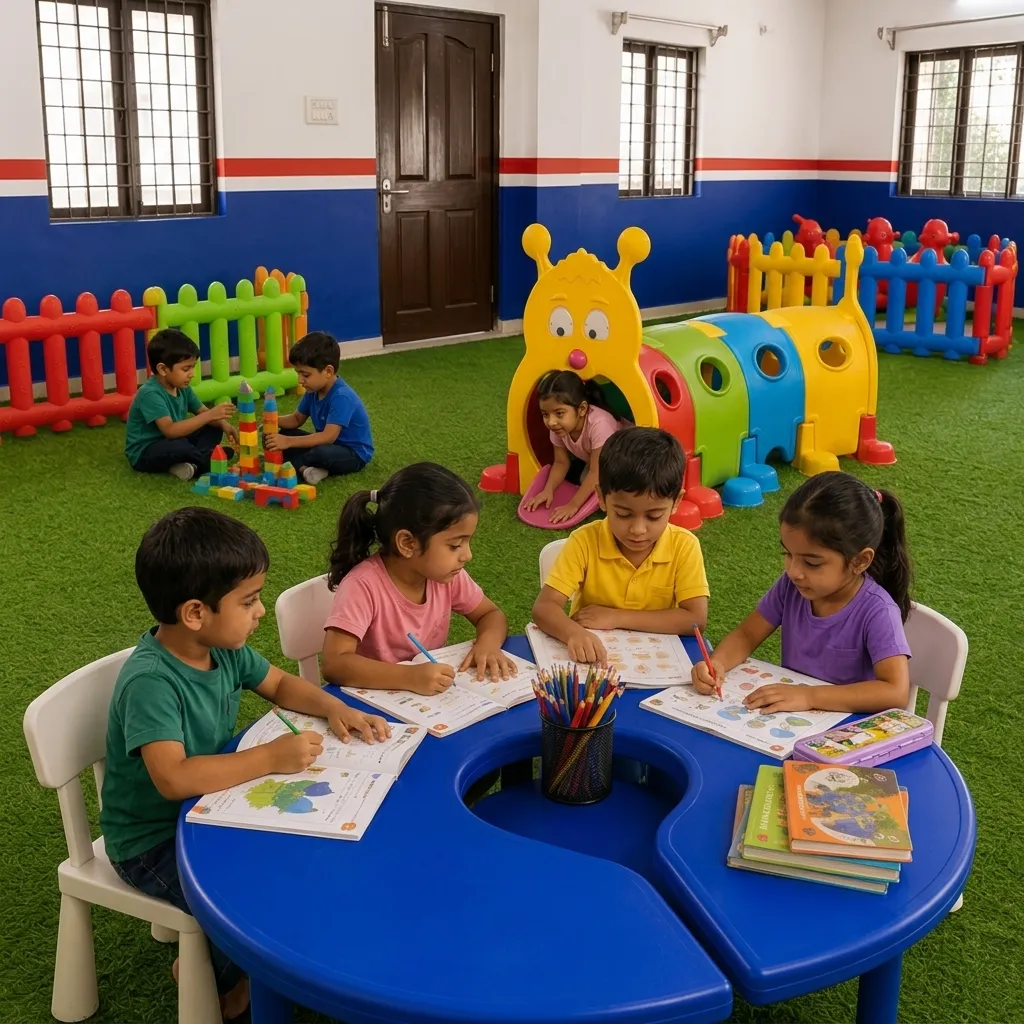
Preschool children exploring design thinking through creative activities

This matters because many children today know how to swipe a screen before they know how to build, stack, match, sort, pretend, solve, or create with their hands. The Toy Room gives children a joyful, gadget-free alternative where toys keep changing regularly, curiosity stays fresh, and play becomes purposeful.

‍

‍

‍

Why Educational Toy Play Matters In Early Childhood

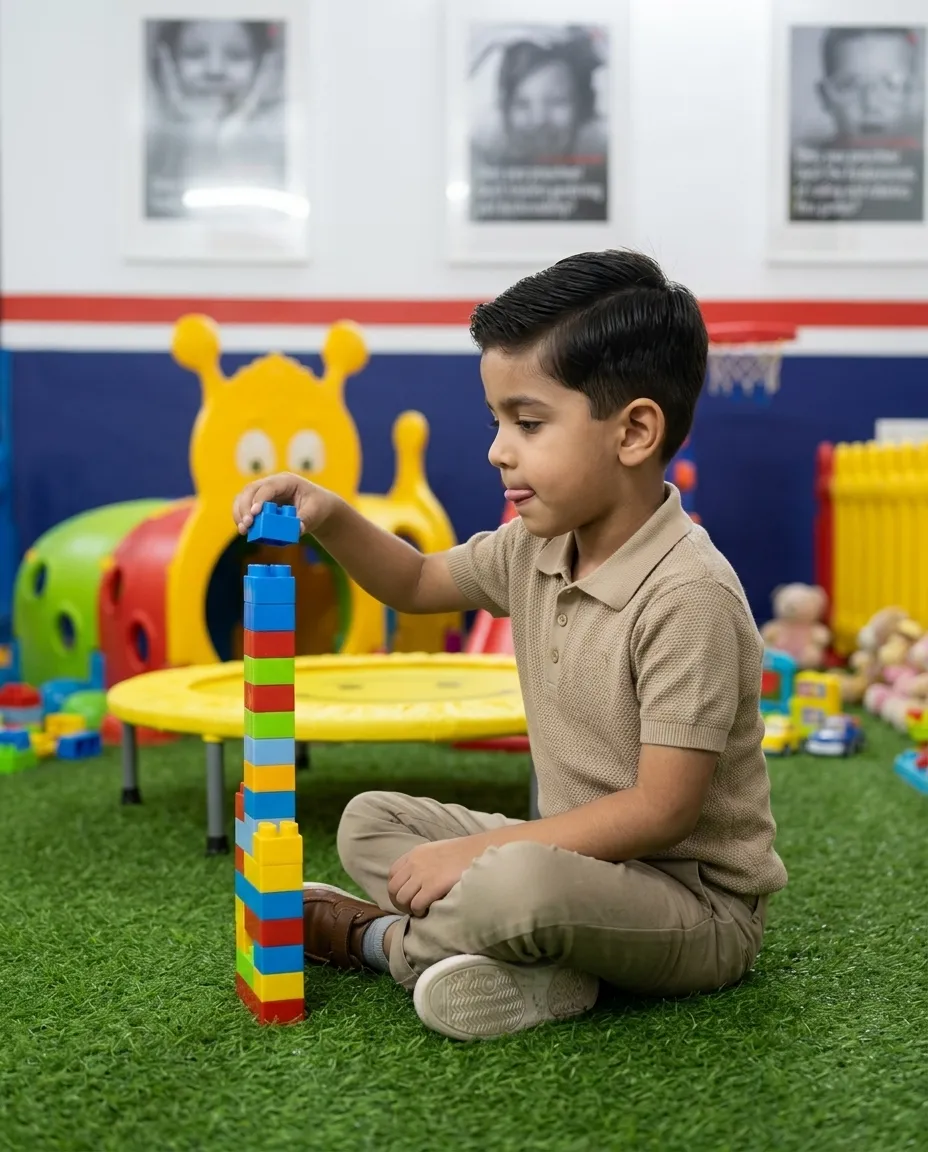
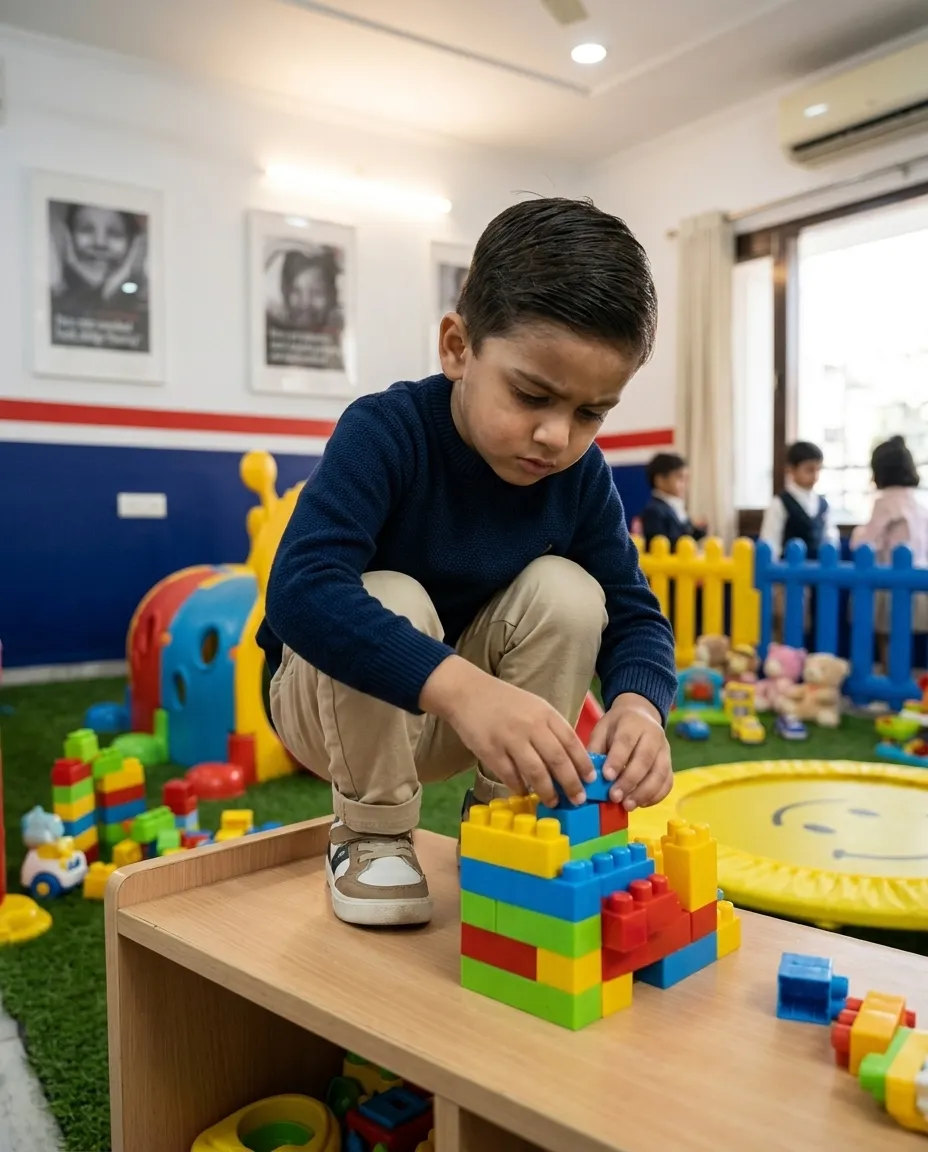
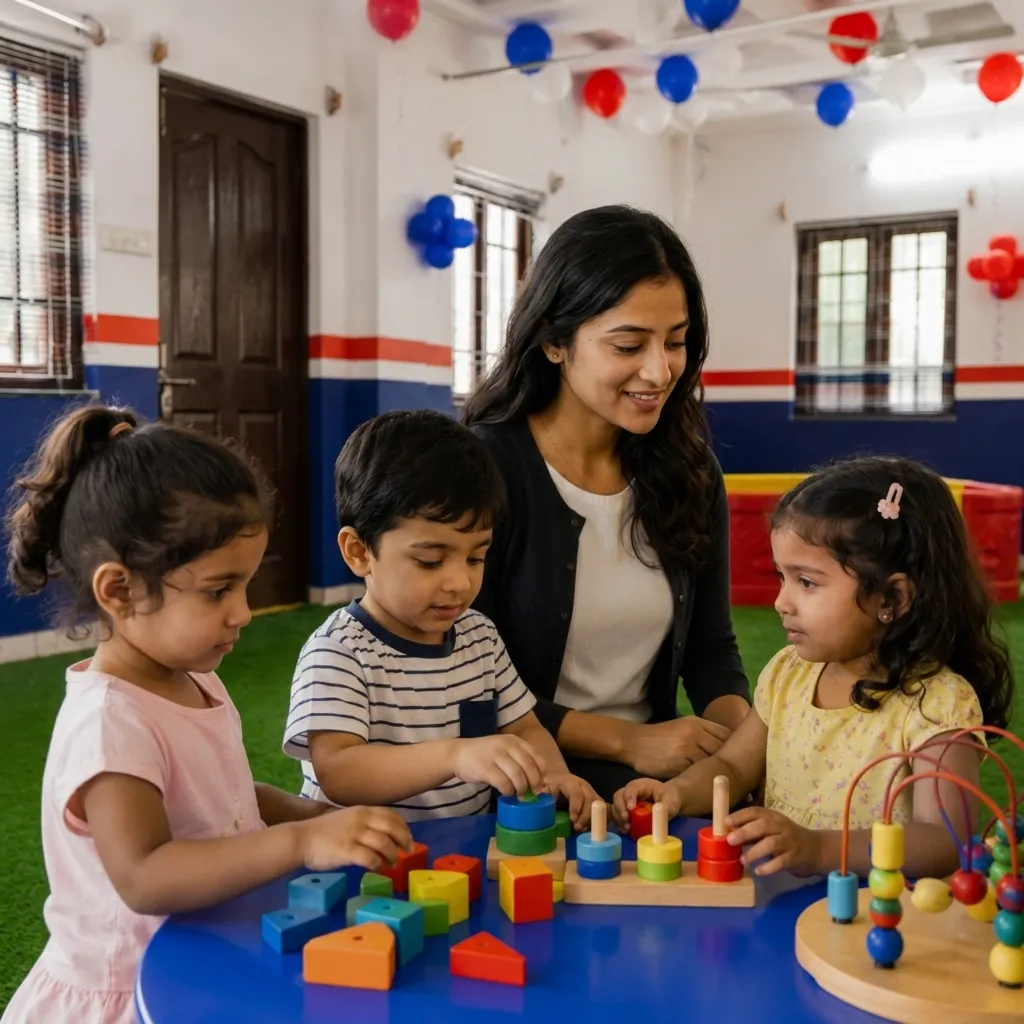
Toys are not just entertainment. The right toys help children think, imagine, move, speak, cooperate, and solve problems. Blocks teach balance and structure. Puzzles teach patience and logic. Pretend-play toys build language and social imagination. Sorting toys build early math. Fine motor toys strengthen fingers and hand control. Building toys help children plan, try, fail, and try again.

The Toy Room helps children enjoy this kind of play without needing screens. Instead of passive watching, children become active creators. They touch, arrange, build, pretend, compare, speak, share, and discover. This builds attention span, independence, confidence, creativity, and problem-solving.

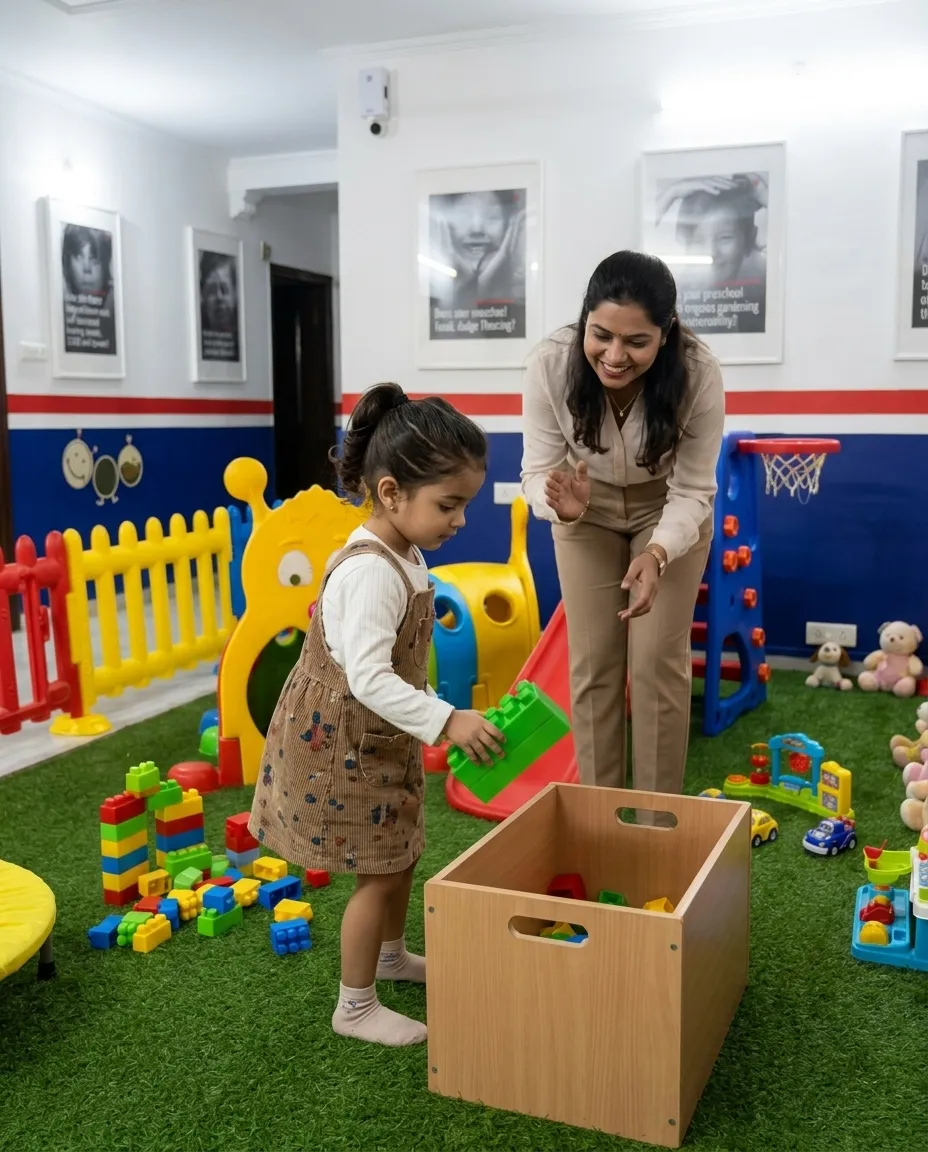
The habit of keeping toys away is also important. Children learn responsibility, order, respect for materials, and the discipline of completing a play cycle.

‍

‍

‍

How Children Use The Toy Room

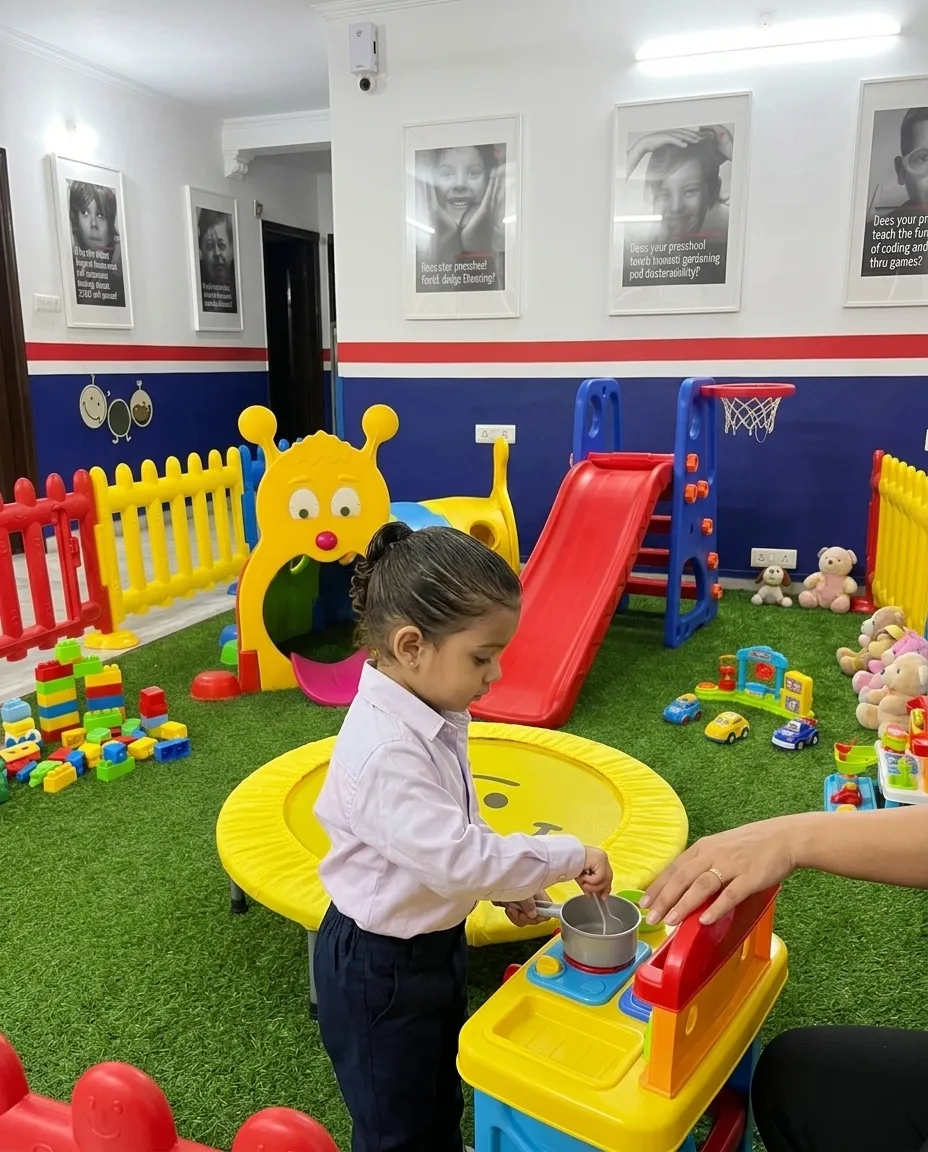
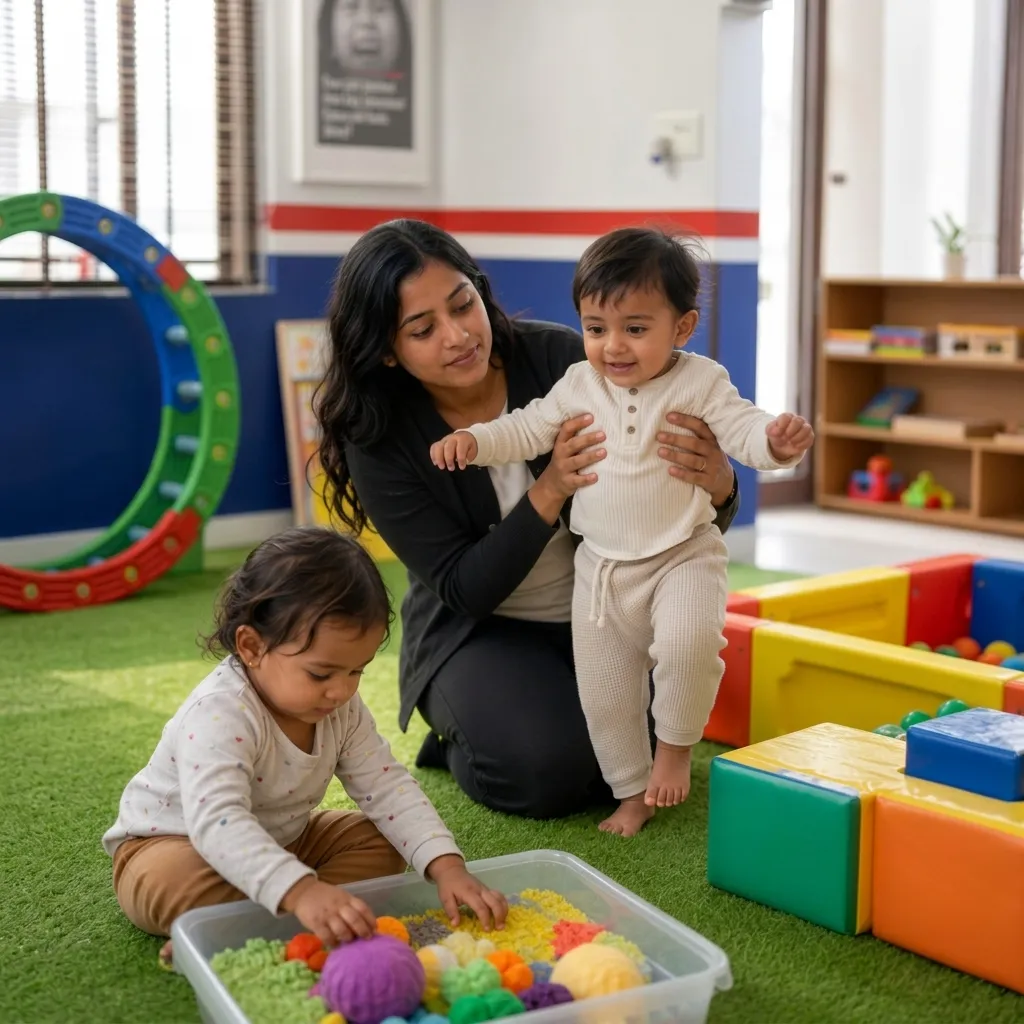
Children use the Toy Room through guided, age-appropriate toy experiences. A baby or toddler may explore soft toys, sensory toys, stacking toys, and simple cause-and-effect toys. A Playgroup child may build towers, sort shapes, play pretend, and learn to return toys after use. A Nursery child may use puzzles, matching games, blocks, pretend kitchens, animals, vehicles, and early logic toys. A Kindergarten child may explore construction toys, problem-solving toys, sequencing activities, and imaginative role play.

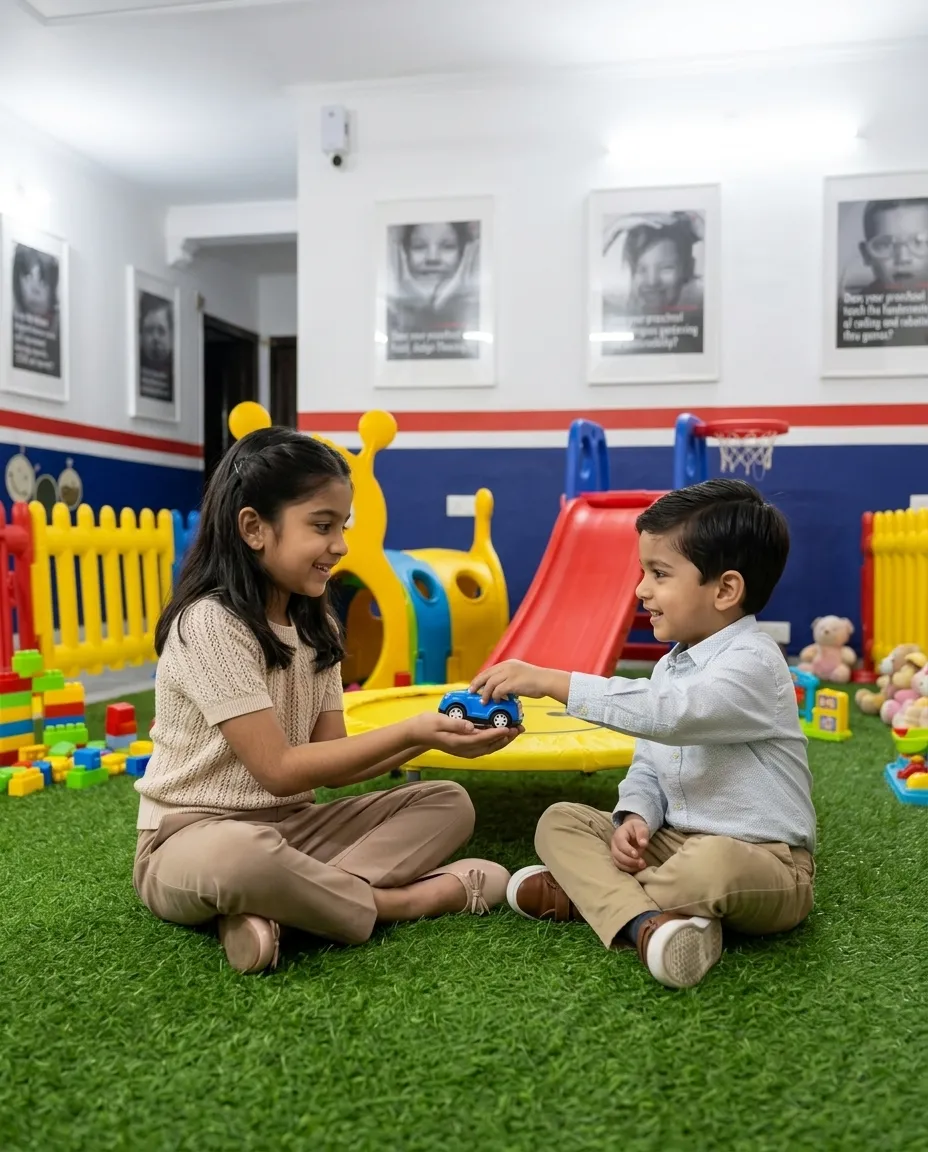
Teachers guide children to choose one toy, play with focus, share when needed, and keep it back in the right place. Because toys change regularly, children do not get bored or over-attached to one pattern of play. The room stays fresh, exciting, and developmentally useful.

‍

‍

‍

‍

What Children Learn In This Zone

Child with a backpack having their forehead temperature checked with a handheld infrared thermometer.

Fine motor skills:

Children build finger strength, grip control, hand-eye coordination, sorting ability, stacking, threading, placing, and arranging skills.

Child with a backpack having their forehead temperature checked with a handheld infrared thermometer.

Imagination:

Pretend-play toys help children create stories, roles, situations, conversations, homes, shops, families, animals, and imaginary worlds.

Child with a backpack having their forehead temperature checked with a handheld infrared thermometer.

Problem-solving:

Puzzles, blocks, construction toys, and matching games help children think, test, adjust, and complete tasks.

Child with a backpack having their forehead temperature checked with a handheld infrared thermometer.

Responsibility:

Children learn to use toys carefully, keep them back, respect shared materials, and complete the play routine.

Child with a backpack having their forehead temperature checked with a handheld infrared thermometer.

Social skills:

Children learn sharing, turn-taking, asking, waiting, cooperating, and playing beside or with others.

Child with a backpack having their forehead temperature checked with a handheld infrared thermometer.

Screen-free focus:

Educational toys help children stay engaged through hands-on discovery instead of fast-moving digital stimulation.

Connected Programs At Rocksfordz

Child with a backpack having their forehead temperature checked with a handheld infrared thermometer.

Preschool

For preschool children, the gardening zone makes learning active and joyful. It supports early science, language, patience, responsibility, and nature connection.

Child with a backpack having their forehead temperature checked with a handheld infrared thermometer.

Daycare

For daycare children, gardening becomes a calming, meaningful part of the day. It gives them fresh air, sensory input, movement, and peaceful engagement.

Child with a backpack having their forehead temperature checked with a handheld infrared thermometer.

Daycare For Babies

For babies and toddlers, this zone can be introduced gently through supervised sensory exposure: touching leaves, seeing plants, hearing nature words, and observing colours.

Child with a backpack having their forehead temperature checked with a handheld infrared thermometer.

Playgroup

For 2 to 3 year olds, gardening builds first-school comfort. Children touch, pour, name, observe, and participate without academic pressure.

Child with a backpack having their forehead temperature checked with a handheld infrared thermometer.

Nursery

For 3 to 4 year olds, gardening builds routine, vocabulary, patience, responsibility, and early environmental awareness.

Child with a backpack having their forehead temperature checked with a handheld infrared thermometer.

Kindergarten

For 4 to 5 year olds, gardening supports sequencing, observation, early science, storytelling, responsibility, and school-readiness confidence.

Child with a backpack having their forehead temperature checked with a handheld infrared thermometer.

After School

For older children, the gardening zone can support nature journaling, responsibility projects, observation, sustainability conversations, and screen-free decompression after school.

Why Parents In A. S. Rao Nagar Value This Zone

Parents want children to play independently without becoming dependent on phones, cartoons, or tablets. The Toy Room gives children a practical and joyful way to do that. It teaches them how to play, how to focus, how to imagine, how to share, and how to care for what they use.

The changing toy selection also keeps children excited. Instead of repeating the same toy experience every day, they discover new puzzles, blocks, pretend-play materials, educational toys, and hands-on challenges. This keeps curiosity alive.

Most importantly, the Toy Room teaches children that play has rhythm: choose, explore, enjoy, share, finish, and keep away. That simple habit builds discipline, responsibility, and independence from an early age.

‍

‍

‍

Schedule a Visit

Areas We Serve Near A. S. Rao Nagar

Rocksfordz Kids is located in A. S. Rao Nagar, Secunderabad, and serves parents looking for preschool, daycare, baby daycare, playgroup, nursery, kindergarten, and after-school learning near:
A. S. Rao Nagar | 500062
Jai Jawan Colony | 500062
Kamala Nagar / ECIL Area | 500062
ECIL | 500062
Kapra | 500062
Kushaiguda | 500062
Sainikpuri | 500094
Neredmet | 500056
Yapral | 500087
Radhika / ECIL Area | 500062

Social Proof:

Rocksfordz is one of the most visible preschool and childcare communities in the A. S. Rao Nagar area, with brand-provided proof of:
5,000+
Instagram followers
34,000+
Facebook followers
125+
Google reviews

Visit The Toy Room At Rocksfordz Kids

Give your child an Alice-in-Wonderland-style educational toy room where play becomes imagination, learning, responsibility, and screen-free joy.

Frequently Asked Questions

Find clear answers about our unique learning zone and approach.
What is the Toy Room at Rocksfordz Kids?

The Toy Room is a colourful educational toy zone where children play with changing toys, learn to share, and keep toys away after use.

How is the Toy Room different from normal toy play?

Children are guided to choose toys, play meaningfully, share, focus, finish the activity, and keep toys back responsibly.

Do the toys change regularly?

Yes. Toys keep changing regularly so children stay curious, excited, and exposed to different types of educational play.

‍

How does the Toy Room reduce screen time?

It gives children a hands-on alternative to screens through puzzles, blocks, pretend play, construction toys, sorting games, and sensory toys.

‍

Is the Toy Room useful for Playgroup children?

Yes. Playgroup children build hand control, naming, sharing, pretend play, first-school comfort, and clean-up habits.

How does this help Nursery and Kindergarten children?

It supports fine motor skills, logic, sorting, matching, imagination, language, social skills, problem-solving, and school readiness.

‍

Can daycare children use the Toy Room too?

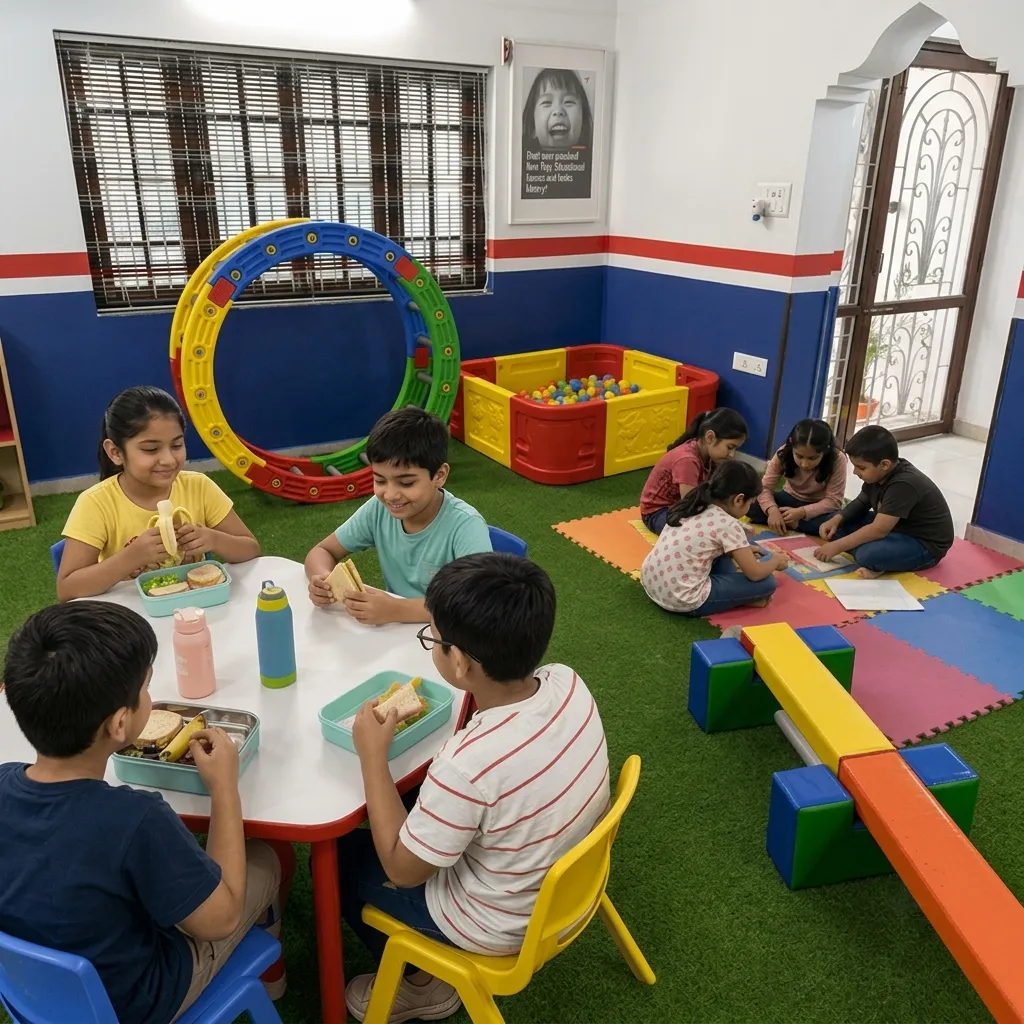
Yes. Daycare children use the Toy Room as a meaningful, screen-free activity zone during their longer care hours.

‍

Visit Our Experience Centre

Whatsapp icon

WhatsApp

Having any queries?
Feel free to chat with us:

Chat Now

Phone

We’re happy to talk and help you anytime.

+91-96038 18000

Full Address

HIG-A-40, Dr. AS Rao Nagar Rd, ECIL, Gokul Nagar, Post, Secunderabad, Telangana , India 500062